


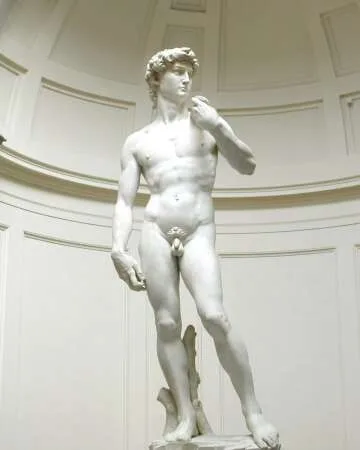
The Magnificent Unveiling of Michelangelo's David
On September 8, 1504, the art world witnessed a monumental moment with the unveiling of Michelangelo's David in Florence. This masterpiece was a product of Michelangelo Buonarroti's unparalleled skill and visionary ambition, signifying the transition of Renaissance art into a more humanistic approach. Crafted from a single block of marble, David stands as a captivating symbol of strength and youthful beauty, capturing the biblical hero at a moment of intense contemplation before battle.
The Creation of David by Michelangelo
Michelangelo was commissioned to create the statue of David in 1501. The marble block had a previous unsuccessful attempt by another artist, but Michelangelo saw its potential. Over the course of three years, he chiselled meticulously, infusing the figure with a lifelike presence. Standing at an impressive 17 feet tall, this work showcases not just Michelangelo's technical prowess, but also his deep understanding of human anatomy and emotion, making it one of the most iconic sculptures of all time.
The Impact of David's Unveiling
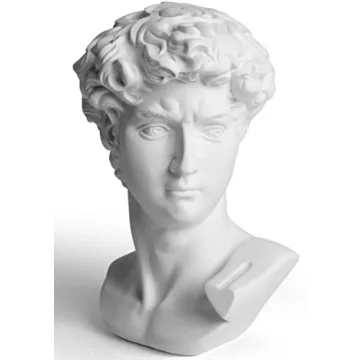
Upon its unveiling, David was placed in front of the Palazzo della Signoria, a location that emphasized its cultural significance. The statue quickly became a symbol of the city of Florence, representing its resilience and republican ideals in the face of external threats. Citizens and visitors alike marveled at the breathtaking details, from David's intense gaze to the intricate muscle definition, marking a turning point in Renaissance sculpture.
Michelangelo's David: A Lasting Legacy
Today, Michelangelo's David remains an enduring icon of art and history, captivating millions of visitors to its home in the Galleria dell'Accademia in Florence. The statue not only exemplifies the pinnacle of Renaissance artistry but continues to inspire modern generations with its beauty, illustrating the timeless themes of bravery, contemplation, and the human spirit.
The Artistic Techniques of Michelangelo
Michelangelo utilized a technique called contrapposto, which gives a sense of dynamism and life to the figure. By positioning David in a relaxed stance, he captured the tension of the moment before the impending battle, showcasing not just physical strength but also psychological depth.
The Cultural Context of David's Creation
The creation of David was steeped in the social and political climate of Florence during the early 16th century. This period was marked by both artistic flourishing and political strife, positioning the statue as an emblem of defiance against tyranny and a celebration of civic virtue.
Fun Fact
Did You Know? Michelangelo’s David is not just a statue!
In 1991, David was subjected to a historical event: it survived an assassination attempt! A vandal attacked the statue, leading to a costly and extensive restoration. This event underscored the priceless heritage and global reverence associated with Michelangelo's work.
Additional Resources
Recommended Reading on Michelangelo's David
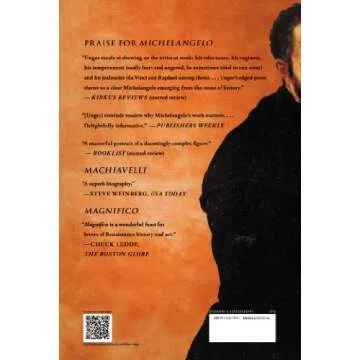
For those eager to delve deeper into Michelangelo’s vision, we recommend "Michelangelo: A Life in Six Masterpieces" by Martin Gayford, and "The Life of Michelangelo" by Ascanio Condivi. These books detail not only the creation of David but also the profound impact Michelangelo had on art and culture.









 Continue with Google