


The Appointment of Adolf Hitler as Chancellor
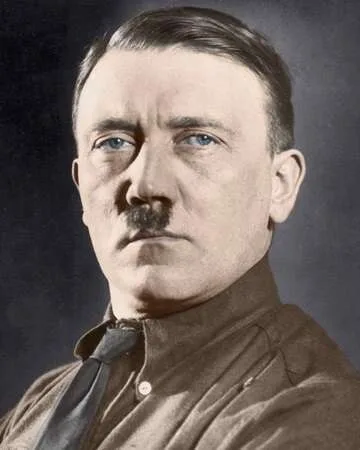
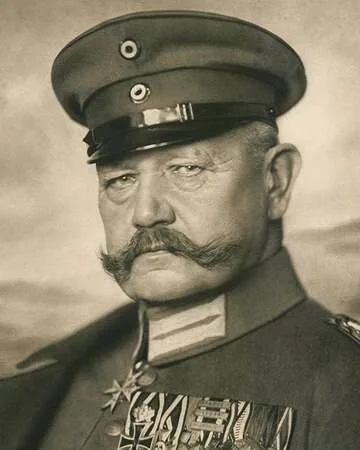
On January 30, 1933, a pivotal moment in history occurred when President Paul von Hindenburg appointed Adolf Hitler as Chancellor of Germany. This decision was influenced by various political maneuvers and pressure from the Nazi party, ultimately leading to a drastic shift in the German government and society. Hitler, a figure known for his fiery oratory and radical ideologies, was considered by many to be a controversial choice. While Hindenburg and others believed they could control Hitler, the appointment laid the groundwork for dictator-led policies that would plunge Germany and Europe into chaos.
Ludendorff's Concerns About Hitler
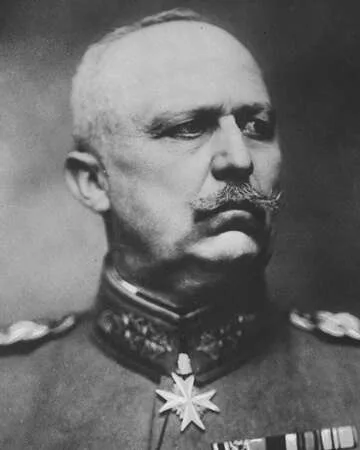
Among those who were alarmed by Hitler’s ascension was General Erich Ludendorff, a prominent military leader from World War I. In a letter to Hindenburg, Ludendorff expressed his fears regarding Hitler, calling him "this accursed man". He believed that Hitler's leadership would lead to the downfall of the Reich and would result in unparalleled suffering for the nation. Ludendorff, who had once worked alongside Hindenburg during the war, was outspoken against the direction in which he perceived Germany was heading.
The Prediction of Inconceivable Misery
Ludendorff’s letter not only depicted his personal disdain for Hitler but also served as a foresight into the tragic future that awaited Germany. He warned that Hitler’s policies would cast the nation into the "abyss," foreshadowing the catastrophic events that would unfold in the coming years, including war, genocide, and deep societal divisions. This stark warning was unfortunately overlooked by many, as the political climate was ripe for radical acceptance.
Historical Impact of the Letter
Ludendorff's letter remains an important document that highlights the concerns of military leaders at the time, reflecting a critical view of the early days of Hitler's regime. It serves as a reminder that many in positions of power were deeply worried about the implications of Hitler’s policies and the broader impact on the German nation.
The End of an Era in German Leadership
Ludendorff represented a fading military tradition that aimed to uphold the values of the Kaiser’s Germany. His predictions were not only a personal lament but echoed a diminishing belief among traditionalists that the new Nazi regime could effectively govern without plunging Germany into chaos.
The Ignored Dissenters
The initial dissent represented by figures like Ludendorff was a recurrent theme in Hitler’s rise to power. Many who opposed his regime in the early days were silenced or ignored, leading to the eventual establishment of a totalitarian state. This constituted a significant shift in governance, paving the way for a tyrannical future.
Fun Fact
The Fate of Erich Ludendorff
Following World War I and during the rise of National Socialism, Erich Ludendorff became increasingly disillusioned with politics. After Hitler's rise, he distanced himself from mainstream politics and even ran for office in the 1920s, significantly impacted by the developments he foretold.
Additional Resources
Recommended Reading on Erich Ludendorff
For those interested in further exploring the life and times of Erich Ludendorff, I recommend "Ludendorff: The Soldier Who Became a Dictator" by John Wilmot, which gives an extensive overview of his military career and political involvement.





 Continue with Google