


Introduction to the Yosemite Grant Act
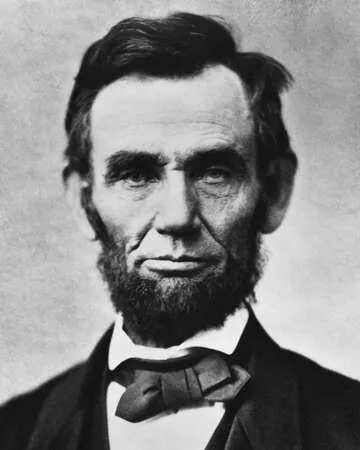
The Yosemite Grant Act of 1864 stands as a landmark in the conservation movement, as it was the first act of legislation to set aside land specifically for public enjoyment and preservation. Signed into law by President Abraham Lincoln on June 30, 1864, this act granted the State of California approximately 200,000 acres of pristine wilderness within the Sierra Nevada. This decision marked a significant step in recognizing the importance of protecting natural landscapes for future generations.
Understanding the Yosemite Grant
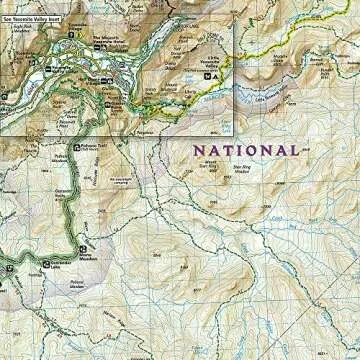
The Yosemite Grant designated lands that included the breathtaking Yosemite Valley and the Mariposa Grove of Giant Sequoias. The vision behind this legislation was not merely to secure land but also to create a space that valued the stunning natural beauty, geological wonders, and cultural significance of these areas. The grant articulated the idea that such magnificent landscapes should be preserved to promote public enjoyment and education.
Lincoln’s Vision and the Unfolding of a National Discourse
In the context of the Civil War, President Lincoln’s support for the act reflects a profound recognition of the need for national unity through shared natural heritage. By transforming the breathtaking Yosemite into a public park, Lincoln sought to symbolize hope and unity amid a time of profound division. Yosemite’s designation was an early recognition of the broader movement towards the establishment of national parks.
The Legacy of the Yosemite Grant Act
The legacy of the Yosemite Grant Act is profound, as it paved the way for the national park movement that burgeoned in the latter part of the 19th century, ultimately leading to the establishment of Yellowstone National Park in 1872. The act underscored a shift in American values towards protecting the environment, highlighting the importance of conservation as essential in safeguarding natural treasures.
Creating a Model for Future Parks
Following the Yosemite Grant, California took the stewardship of these lands seriously, creating a model for how state-managed parks could function. The act provided the framework for what would later become a national commitment to conservation, thus inviting discussions that laid the foundation for future policies regarding natural preservation.
The Role of Advocacy in Conservation
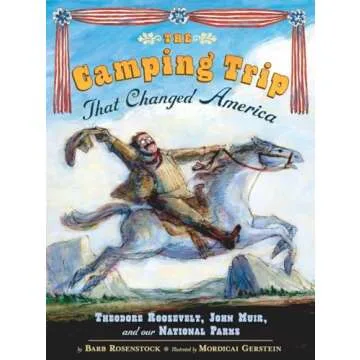
Key figures such as John Muir emerged shortly after the implementation of the Yosemite Grant. Advocacy for the expansion of protected areas and the preservation of natural landscapes became critical. Muir’s tireless efforts, supported by the initial foundations laid by the Yosemite Grant Act, garnered significant attention and solidified the importance of wilderness conservation in the American ethos.
Fun Fact
Lincoln's Outdoor Connection
Interestingly, President Lincoln had never visited Yosemite, yet he understood its significance. A testament to his visionary leadership, he recognized the intrinsic value of the land and its potential to inspire generations.
Additional Resources
Recommended Reading on the Yosemite Grant Act
For those interested in diving deeper into this critical moment in conservation history, we recommend "Yosemite: The Embattled Wilderness" and "The Yosemite: A History", both of which explore the impact and evolution of Yosemite National Park following the grant.






 Continue with Google