


Understanding the Treaty of Westminster 1527
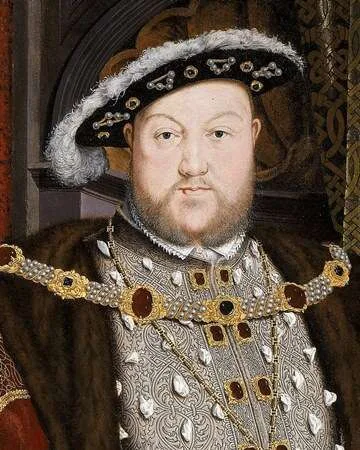
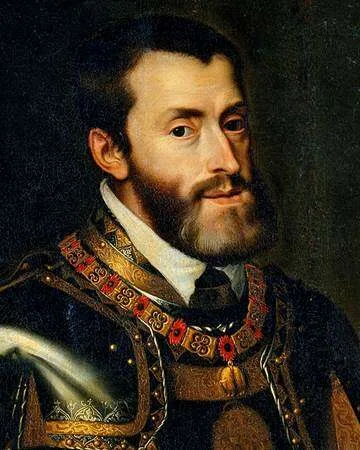
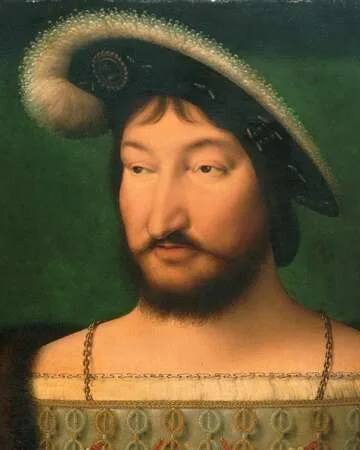
The Treaty of Westminster, signed on April 30, 1527, marked a pivotal moment in European politics, involving the influential monarchs of England and France – Henry VIII and Francis I. This agreement was primarily aimed at opposing the power of the Holy Roman Emperor Charles V amid the backdrop of the War of the League of Cognac. The alliance sought to strengthen the position of both kingdoms against a common adversary, showcasing the intricate web of diplomacy that characterized the Renaissance period.
The Key Figures Behind the Treaty
Both Henry VIII and Francis I were powerful rulers of their time, each with aspirations to expand their dominions and influence. Henry, known for his significant role in the English Reformation, sought to assert England’s independence from both the papacy and Charles V's influence. Meanwhile, Francis was eager to regain territories lost to Charles and to counterbalance the imperial power that threatened his reign. Their union through the Treaty of Westminster reflected their shared interests and ambition.
The Context and Implications of the Treaty
The signing of the Treaty came at a crucial time as Europe was divided into various power struggles. The War of the League of Cognac (1526–1530), formed to counter Charles V’s dominance, provided the backdrop for this alliance. Through this treaty, England and France pledged military support for each other, aiming to disrupt Charles’s hold over northern Italy and enhance their chances of success. This collaboration was significant, as it indicated a shift in alliances during a period marked by intense rivalry.
The Aftermath of the Treaty of Westminster
In the years following the signing, the political landscape of Europe continued to evolve. While the Treaty of Westminster initially represented a promising alliance against Charles V, the inherent tensions between Henry VIII and Francis I posed challenges to their cooperation. Ultimately, the treaty would influence subsequent diplomatic strategies, although it did not lead to immediate military success against Charles.
Challenges Faced by the Alliance
Despite the initial fervor, the alliance faced numerous challenges, including varying military goals and the unpredictable nature of Renaissance warfare. As factors such as betrayals, changing loyalties, and internal strife unfolded, the ambitious plans conceived at Westminster found themselves complicated by realpolitik. The allegiance was tested in the years that followed, leading to a decline in the cooperative spirit.
The Legacy of the Treaty of Westminster
Though the Treaty of Westminster did not achieve its primary objective of weakening Charles V, it exemplified the attempts at diplomatic collaboration during a complex period in European history. The lessons learned from this treaty influenced future negotiations, illustrating the fragility of political alliances in the face of shifting power dynamics.
Fun Fact
The Famous Portraits of the Monarchs
A lesser-known piece of history is how both rulers, Henry VIII and Francis I, were famously illustrated by the artist Hans Holbein the Younger. These portraits helped to solidify their images as powerful monarchs and are still studied today for their artistry and symbolism.
Additional Resources
Recommended Reading on the Treaty of Westminster
To dive deeper into this intriguing period, consider reading The Anne Boleyn Files and Empire: A Very Short Introduction. These works provide context and explore the significant events surrounding the Treaty of Westminster.











 Continue with Google