



The Historic Secret Treaty between Pope Clement VII and Francis I
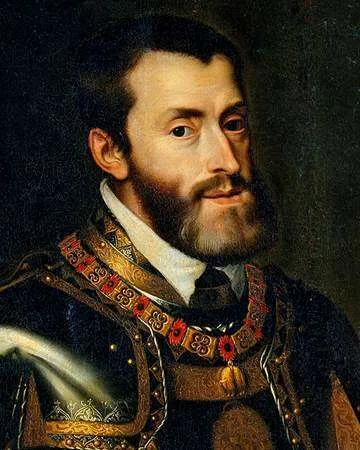
In the year 1531, a significant yet clandestine agreement was forged in the heart of Europe that would alter the dynamics of power during the Renaissance period. The alliance between Pope Clement VII and King Francis I of France was a strategic move against their common foe, Holy Roman Emperor Charles V. This secretive treaty represented not just a political maneuver; it illustrated the intricate balance of alliances during a time when religious and territorial disputes were rampant.
Clement VII: The Pope's Role in the Treaty
Pope Clement VII, born Giulio di Giuliano de' Medici, ascended to the papacy in 1523. As a member of the powerful Medici family, he was deeply invested in securing the temporal power of the Church amidst the rising dominance of the Habsburg dynasty, led by Charles V. The treaty with Francis I was not merely about combating Charles’s influence; it was a protective measure for the Papal States and a way to counterbalance the Habsburg authority.
Francis I: The Ambitious Monarch's Strategy
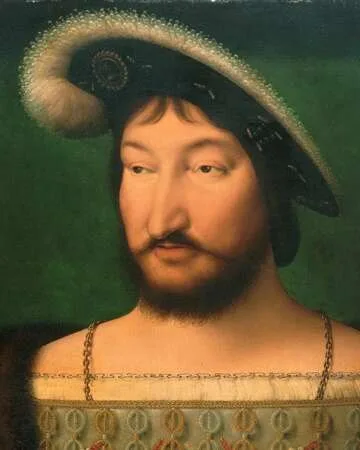
King Francis I of France was renowned for his ambition and desire to expand French territories. By aligning with Clement VII, he sought to undermine the Habsburgs, already a formidable adversary in European politics. The treaty indicated that both leaders were willing to cooperate to ensure their sovereignty and to counter any encroachments on their authority. This alliance was underscored by mutual needs: France required ecclesiastical support against Habsburg claims, while the Pope sought protection against Charles’s political maneuvering.
The Implications and Outcomes of the Treaty
The signing of this secret treaty in 1531 had profound implications for both the Church and France. It allowed the Pope to maintain a degree of independence from Habsburg dominance and provided Francis I with crucial support in his ongoing conflicts with Charles V. This period marked a significant shift in the power balances of Europe, showcasing how papal influence could be wielded to support national interests.
The Treaty and its Risks
However, the secretive nature of their agreement also posed risks. Both leaders faced internal opposition; Francis from his nobles and Clement from within the Church. Yet, they persevered, understanding that the larger issue of maintaining their power outweighed the dangers of discontent.
A Prelude to Future Conflicts
The alliance between Pope Clement VII and Francis I was a precursor to the myriad conflicts that would engulf Europe in the following decades, as it set the stage for further confrontations with Charles V. The treaty illustrated the intricate web of politics and religion that characterized the era, demonstrating how alliances were constantly being forged and re-forged.
Fun Fact
The Art Connection
Lest we forget, the year of the treaty saw not only political ambitions unfold, but also cultural flourishing. Clement VII was a patron of the arts, and this period coincided with the establishment of the famous Medici Chapel in Florence, a lasting legacy of his papacy.
Additional Resources
Recommended Reading on the Treaty of 1531
For those interested in exploring this dynamic period further, consider reading "The Renaissance: A Short History" by Paul Johnson or "Charles V: The World's Emperor" by Geoffrey Parker. Each offers insight into the political intricacies of this fascinating era.









 Continue with Google