


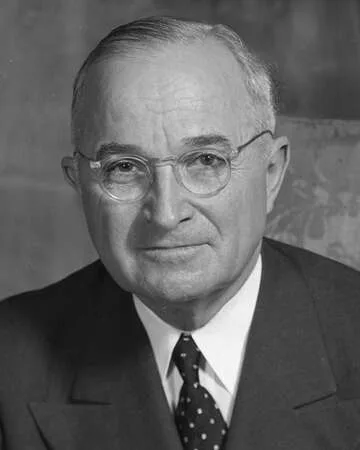
The Genesis of a New Nuclear Era
On January 31, 1950, U.S. President Harry Truman made a momentous announcement that would change the landscape of nuclear warfare and strategy. In a world still grappling with the devastation of World War II and the emerging tensions of the Cold War, Truman declared his full support for the development of the hydrogen bomb, a weapon that promised to be significantly more powerful than the atomic bombs dropped on Japan.
Harry Truman's Vision and the Cold War
Truman envisioned a strong defense posture against the growing influence of the Soviet Union, particularly after the USSR had successfully detonated its own atomic bomb in 1949. The president's decision was driven by an urgency to maintain American superiority in nuclear technology. He perceived the hydrogen bomb as a necessary step to ensure national security and deter any potential aggression from enemy states.
The Scientific and Military Implications of the Hydrogen Bomb
The hydrogen bomb, or thermonuclear bomb, differs fundamentally from its atomic counterpart. While the atomic bomb operates through nuclear fission, the hydrogen bomb utilizes a process called nuclear fusion, involving the merging of hydrogen isotopes. This process could yield an explosion of incredible magnitude, possibly more than a thousand times stronger than earlier atomic weapons, thus reshaping military strategies worldwide.
The Public Reaction and Ethical Considerations
Truman’s decision sparked a complex reaction among the American public and within the scientific community. While many recognized the need for national security, there were growing concerns regarding the ethics of developing such destructive capabilities.
Civilian Concerns and the Arms Race
As news of the hydrogen bomb development spread, many citizens began to fear the implications of a new arms race. With the potential for massive loss of life and environmental destruction, a vocal segment of the population advocated for nuclear disarmament and peaceful resolutions to international conflicts.
Scientific Voices Against the Hydrogen Bomb
Prominent scientists, including physicists such as Albert Einstein and J. Robert Oppenheimer, voiced their opposition to the hydrogen bomb’s development. Oppenheimer famously remarked that they had become "Death, the destroyer of worlds" after witnessing the effects of atomic bombs, highlighting a deep moral dilemma faced by scientists involved in nuclear research.
Fun Fact
Harry Truman’s Unexpected Support
Despite initially expressing doubts about the hydrogen bomb, Truman’s final decision came after consultation with his advisors, showcasing a significant shift in American military strategy that would lead to profound global implications.
Additional Resources
Recommended Reading on the Hydrogen Bomb
For those interested in understanding more about the historical significance of the hydrogen bomb, consider reading “The Making of the Atomic Bomb” by Richard Rhodes and “The Bomb: A New History” by Stephen Ambrose. Both provide in-depth analysis and context surrounding this pivotal moment in history.











 Continue with Google