


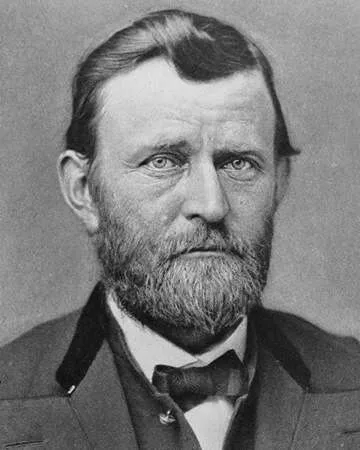
The Historic Inauguration of Ulysses S. Grant
The year 1869 marked a monumental moment in American history as Ulysses S. Grant was inaugurated as the 18th President of the United States. Taking place on March 4, Grant's inauguration symbolized not only his elevation from commander of Union forces during the Civil War to President but also the beginning of a new era in American politics. The nation was still healing from the wounds of the Civil War, and Grant's leadership was seen as crucial at this critical juncture.
Ulysses S. Grant's Path to the Presidency
Born on April 27, 1822, in Point Pleasant, Ohio, Grant's rise to prominence began during the Civil War, where his military strategies and leadership led to several key victories for the Union, including the Battle of Vicksburg and the surrender of General Robert E. Lee at Appomattox. After the war, he became a national hero, and his popularity among the citizens propelled him toward the presidency. Grant was nominated by the Republican Party after a series of contentious debates, positioning him as the ideal candidate to lead the nation during Reconstruction.
The Inauguration Ceremony
The inauguration ceremony took place on the steps of the Capitol building, attended by a grand gathering of dignitaries, politicians, and citizens eager to witness the event. Grant swore an oath of office administered by Chief Justice Salmon P. Chase. His inaugural address emphasized themes of unity and reconstruction, reflecting his commitment to healing the divided nation.
Challenges and Achievements During Grant’s Presidency
Grant's presidency was defined by numerous challenges, including political corruption, economic instability, and complex Reconstruction policies. However, he aimed to accomplish significant reforms and worked hard to protect the civil rights of African Americans through the enforcement of the 15th Amendment, which granted them the right to vote.
Grant’s Battle Against Corruption
Throughout his administration, Grant faced numerous scandals involving members of his administration. However, he maintained his integrity and integrity and worked to implement measures to combat corruption. His commitment to transparency and reform marked his efforts to create a better government for all American citizens.
Legacy of Ulysses S. Grant
Despite the difficulties during his time in office, Ulysses S. Grant's legacy has undergone significant reassessment over the years. Initially criticized for his military decisions and political challenges, modern historians have acknowledged the importance of his role in promoting civil rights and his dedication to a united nation following the Civil War.
Fun Fact
Grant’s Unique Presidential Style
Ulysses S. Grant had a distinct style when it came to his presidency; he was known for his informal approach and often held meetings in his backyard. This personal touch endeared him to many citizens who appreciated his accessible demeanor.
Additional Resources
Recommended Reading on Ulysses S. Grant
For those interested in exploring more about Ulysses S. Grant, consider reading “Grant” by Ron Chernow and “Personal Memoirs of Ulysses S. Grant”. Both works provide insightful perspectives on his life and presidency, and are essential for understanding this pivotal figure in American history.










 Continue with Google