


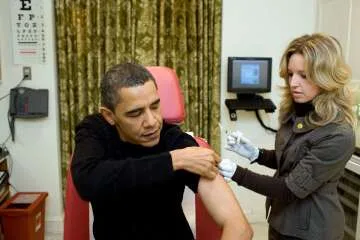
The Swine Flu Pandemic of 2010: A Closer Look
The Swine Flu Pandemic, which began in 2009 and carried into 2010, was a significant global health event caused by the H1N1 virus. The World Health Organization (WHO) declared it a pandemic, prompting countries around the world to take drastic measures to contain its spread. As millions were affected and vaccines were rapidly developed, debates arose regarding the severity of the pandemic and the influence of pharmaceutical companies on public health declarations.
The Role of the World Health Organization
In 2010, the WHO faced intense scrutiny over its pandemic response when claims emerged suggesting it may have exaggerated the severity of the H1N1 outbreak. Critics accused the organization of being influenced by vaccine manufacturers, who rapidly produced vaccines and profited from the pandemic declaration. The WHO vehemently denied these allegations, asserting its commitment to public health.
Public Reaction to Vaccine Pressures
The public's reaction to the pandemic was mixed, with many people concerned about the safety of the newly developed vaccines. As reports of the WHO's alleged ties to the pharmaceutical industry surfaced, trust in the organization began to wane. This led to a further examination of how global health policies are formulated and the potential conflicts of interest involved.
Implications of the Pandemic and Subsequent Debate
The aftermath of the 2010 Swine Flu Pandemic highlighted critical lessons regarding global health governance and communication. The debate over the WHO's decisions prompted a broader discussion about the accountability of public health organizations and their relationships with private sector agents.
Policy Changes Post-Pandemic
Following the events of 2010, many organizations reevaluated their pandemic preparedness plans and transparency protocols. The experience garnered worldwide attention, which led to increased calls for clearer guidelines about the role of pharmaceutical companies in public health decisions. Efforts were initiated to ensure that future health emergencies are managed with greater integrity and public trust.
Long-term Effects on Public Health Policies
The controversy surrounding the Swine Flu led to significant changes in the way health crises are approached politically and scientifically. The WHO implemented new strategies aimed at preventing similar situations, fostering trustworthy relationships with both medical professionals and the public.
Fun Fact
Swine Flu's Unusual Origin
The strain of the H1N1 virus that caused the Swine Flu disparity came from a virus that had never been previously detected in pigs, underscoring the complex nature of viral infections and how they can evolve.
Additional Resources
Recommended Reading on the Swine Flu Pandemic
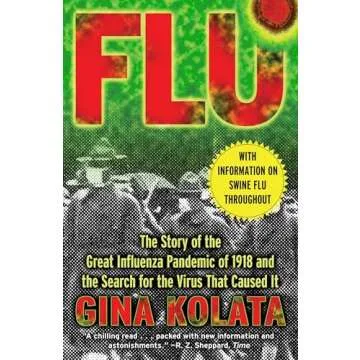
For those interested in diving deeper into the subject, consider exploring the book The Great Influenza by John M. Barry, which critically examines pandemic responses and challenges in public health. Another notable read is Flu: The Story of the Great Influenza Pandemic by Gina Kolata, which provides historical insights into pandemics.




 Continue with Google