


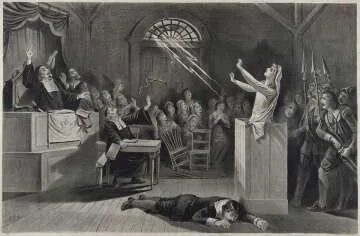
The Infamous Salem Witch Trials
The Salem Witch Trials of 1692 stand as one of the most troubling chapters in American history. Beginning in the Puritan community of Salem Village, Massachusetts, the trials were fueled by superstition, fear, and a yearning for justice in a turbulent society. Over a span of several months, more than 200 individuals were accused of practicing witchcraft, leading to a wave of hysteria and the improper judicial actions that would change the community forever.
The Execution of Bridget Bishop
On June 10, 1692, Bridget Bishop became the first person to be hanged as a result of the witch trials. Bishop, a 60-year-old widow known for her outspokenness and ownership of a local tavern, was accused of witchcraft after several young girls in the town claimed to be possessed and named her as the perpetrator. The courtroom proceedings were marked by spectral evidence, where testimony about visions and apparitions played a significant role in the guilt assigned to the accused.
Witch Hunts and Community Discontent
The trials reflected deep-seated tensions within Salem Village, stemming from personal conflicts, economic rivalries, and existing fears about outsider influences. As accusations escalated, many innocent people suffered severe consequences, revealing how communal hysteria could spiral into grave injustice.
The Legacy of the Trials
The Salem Witch Trials ultimately led to a heightened awareness of the dangers of extremism and the importance of due process in legal systems. The public outcry following the trials contributed to changes in how accusations were handled in courts, underscoring the necessity for justice and transparency.
Impact on Legal Proceedings
The aftermath of the trials prompted a reevaluation of legal practices concerning evidence. The use of spectral evidence was largely discredited, setting a precedent that would shape future judicial processes in both Massachusetts and the broader United States.
Cultural Reflections of Fear
The legacy of the Salem Witch Trials is not only political and legal but also cultural. They have inspired numerous works of literature, theatre, and film, serving as a cautionary tale about the repercussions of fear-driven justice. Arthur Miller's play The Crucible explores the themes of morality, law, and the human condition in the context of these trials, demonstrating their ongoing relevance.
Fun Fact
Bridget Bishop and Her Mysterious Life
Interestingly, Bridget Bishop was a figure surrounded by myths and uncertainties. She was known to have been previously accused of witchcraft in 1660 but was acquitted. Her fate during the trials is a stark reminder of how past allegations could resurface with devastating implications.
Additional Resources
Recommended Reading on Salem Witch Trials
For those interested in diving deeper into the Salem Witch Trials, consider reading "A Delusion of Satan: The Full Story of the Salem Witch Trials" by Frances Hill or "The Crucible" by Arthur Miller for a dramatic interpretation of these events.





 Continue with Google