


The Historical Significance of the Statue of William the Silent
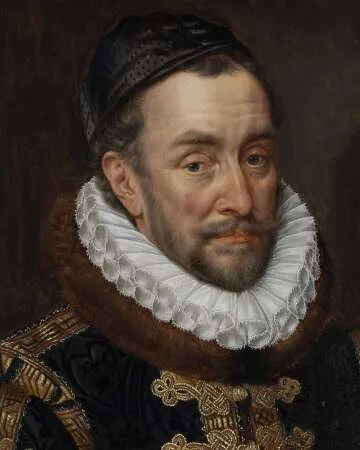
The Statue of William the Silent, Prince of Orange, stands as a majestic tribute to one of the Netherlands' most revered historical figures. Unveiled in 1848 by sculptor Lodewyk Royer at Het Plein in The Hague, this statue represents not just an artistic achievement, but also encapsulates the spirit of a nation striving for independence and freedom. William the Silent, known for his role in leading the Dutch Revolt against Spanish rule, has a legacy that resonates deeply within the heart of Dutch history.
William the Silent: The Symbol of Liberty
William of Orange, often referred to as **William the Silent**, played a crucial role in the **Eighty Years' War** (1568-1648), which was fought for the independence of the **Dutch Republic** from Spanish domination. His leadership and vision inspired many, making him a symbol of resistance and liberty. The unveiling of this statue coincided with a period of political reform in the Netherlands, reflecting the desires for democratic governance and national pride. The statue captures his poised likeness, clad in a traditional outfit of the time, symbolizing both his nobility and his pivotal role in shaping the future of the Netherlands.
The Artistic Excellence of Lodewyk Royer
Sculptor **Lodewyk Royer**, known for his exceptional work, was commissioned to create the statue, which showcases his talent in capturing the essence of historical figures. The statue not only represents William’s physical form but also embodies the ideals of freedom, unity, and resilience that he championed throughout his life. Royer’s attention to detail, from the facial expression to the intricate clothing designs, transforms the monument into a striking reminder of the past that resonates with the Dutch population even today.
A Landmark Moment for the Dutch Republic
The unveiling of the Statue of William the Silent on this historic day in 1848 marked a significant cultural moment for the Netherlands. This event took place during a transformative era where citizens began advocating for more **liberal reforms** and **democratic principles**. The statue quickly became a gathering point and was embraced as a symbol of national identity. It not only honors William's legacy but also fosters a collective memory that continues to unify the Dutch people.
This Day in 1848: A Celebration of Dutch Heritage
The event itself was met with great enthusiasm, drawing large crowds that celebrated their rich heritage and the ideals of freedom represented by William the Silent. The statue’s location at Het Plein, a prominent square in The Hague, encapsulates its importance, making it accessible for both locals and visitors. The gathering highlighted the sense of unity among those advocating for the rights of the Dutch citizens.
The Statue's Enduring Legacy
Over the years, the Statue of William the Silent has remained a central point of admiration in The Hague. As a historical monument, it has witnessed numerous events and movements in Dutch history, serving as a reminder of the sacrifices made for the freedoms enjoyed today. Its presence reinforces the values of **democracy**, **liberty**, and **national pride**, which were fought for during the turbulent times of the 16th century.
Fun Fact
The History Behind William the Silent's Nickname
The moniker **William the Silent** comes from his reputed tendency to be reserved in conversation. This quality earned him the admiration and respect of his peers and made him an enigmatic leader whose actions spoke louder than words.
Additional Resources
Recommended Reading on William the Silent
For those interested in exploring the life and times of William the Silent, we recommend reading the book **"William of Orange: The Assassination of a Prince"** by **John Lothrop Motley**. This detailed narrative covers the complexities of his life and the struggles of the period he lived in.












 Continue with Google