


The 1985 Ban on South African Krugerrands
Background of the Krugerrand Ban
The Krugerrand is a gold coin minted in South Africa, first introduced in 1967. By the early 1980s, this coin became immensely popular worldwide, especially in the United States, for its gold content. However, the political landscape was changing rapidly due to the oppressive apartheid regime in South Africa. The United States government, led by President Ronald Reagan, began to reconsider its economic relations with the nation that was at the epicenter of racial discrimination and human rights violations.
President Reagan's Decision
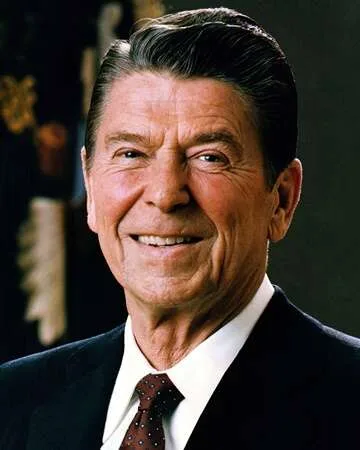
In 1985, President Reagan took a bold step by implementing a ban on the import of South African Krugerrands into the United States. This decision was part of a broader effort to pressure South Africa to dismantle its apartheid policy. Advocates for civil rights in America and around the world applauded this move, highlighting the significance of economic sanctions as a means of promoting political change.
The Consequences of the Krugerrand Ban
Impact on the Gold Market
The ban on Krugerrands had an immediate effect not only on South African gold exports but also on the global gold market. While the ban was intended as a political statement, it also inadvertently led to an increase in demand for alternative gold coins. Collectors and investors rushed to acquire other forms of gold, which resulted in a fluctuating market atmosphere filled with uncertainty for traders and buyers alike.
Political Ramifications
Politically, the ban was a key marker in the United States' foreign policy stance toward South Africa and its apartheid system. It sparked intense debates within Congress regarding the efficacy of sanctions as a tool for social change. While some believed that economic pressures could encourage reforms, others worried about the potential backlash against the South African populace, who were not responsible for the regime's discriminatory laws.
Fun Fact
The Symbolism of the Krugerrand
The Krugerrand not only represented wealth but also became a symbol of the intricate relationship between economics and politics. Its ban by the US government signified a deeper international disapproval of apartheid, fostering greater awareness and activism against racial injustice globally.
Additional Resources
Recommended Reading on Apartheid and Economic Sanctions
For those interested in exploring the impact of economic sanctions during apartheid, consider reading The Politics of Sanctions: A History or South Africa: The Rise and Fall of Apartheid. These books provide essential insights into the complexities surrounding this historical period.









 Continue with Google