


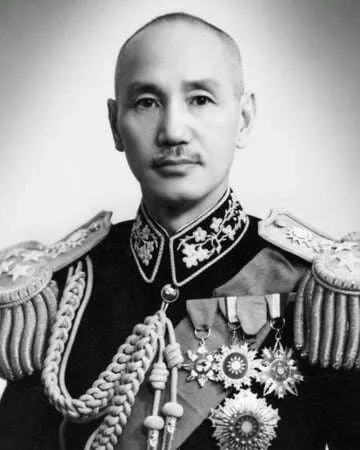
Understanding the 1928 US Recognition of China’s Nationalist Government
The year 1928 marked a significant turning point in US-China relations as the United States officially recognized the Nationalist government led by Chiang Kai-shek. This decision was not merely a diplomatic gesture but a strategic move aimed at stabilizing relations in a period characterized by China's fragmentation and foreign influence.
Chiang Kai-shek and His Leadership
Chiang Kai-shek, born in 1887, emerged as a prominent military leader and political figure in China. As the leader of the Kuomintang (Chinese Nationalist Party), he sought to unify China and restore its sovereignty, which had been compromised by warlords and foreign powers. By 1928, Chiang's military campaigns, particularly the Northern Expedition, enabled him to assert control over large parts of China, paving the way for the Nationalist government’s establishment.
The Context of US Recognition
The US recognition of the Nationalist government was rooted in geopolitical strategy. After years of instability and the influence of various foreign powers in China, the US aimed to back a government that could potentially offer stability and counter the rising tide of communism in the region. This recognition served to bolster Chiang's legitimacy both domestically and internationally.
Implications of the US Recognition
The recognition had profound implications for both China and the United States. For China, it symbolized a validation of Chiang’s government and raised hopes for a unified nation under Nationalist rule. For the US, it laid groundwork for future economic and military connections with China, as they sought to promote their interests in Asia.
Strengthening Sino-American Ties
By recognizing Chiang's government, the United States effectively signaled its endorsement of the Nationalist agenda. Over the years, this relationship fostered military aid and support for modernization efforts, although it remained complex due to differing political ideologies.
Challenges Ahead for Chiang Kai-shek
Despite initial support, Chiang faced considerable challenges, including internal factionalism, economic issues, and threats from communist forces. The US recognition was only the beginning of a turbulent journey that would ultimately see the Nationalists fight to maintain power in a rapidly changing China.
Fun Fact
Chiang Kai-shek’s Military Background
Before becoming the leader of the Nationalists, Chiang was a student at the Whampoa Military Academy. His military training played a crucial role in his successful campaigns against warlords in China.
Additional Resources
Recommended Reading on Chiang Kai-shek
For those interested in delving deeper into this pivotal moment in history, consider reading "The Rise of Chiang Kai-shek" by H.K. Hsu, which chronicles Chiang's journey and the complexities of the Nationalist government, or "China: A New History" by John King Fairbank, which provides broader insights into Chinese history during this time.









 Continue with Google