


The Path to Statehood for Vermont
The journey of Vermont towards becoming the 14th state of the United States is a fascinating chapter in American history. It was on March 4, 1791, that Vermont officially joined the Union, marking a significant milestone as the first state added after the original 13 colonies. This transition was not merely a bureaucratic occasion; it represented the culmination of a unique history, distinct from its neighboring states.
Historical Background of Vermont
Before admission to the Union, Vermont was known for its contentious territorial struggle between the claims of New York and New Hampshire. For years, settlers in the region formed their own identity, declaring Vermont an independent republic in 1777, known as the Vermont Republic. This period of independence showcased the desire of the people to govern themselves, separate from the influences of both states.
The Struggle for Recognition
Vermont's statehood was a result of prolonged negotiations and a carefully orchestrated campaign for recognition. After the American Revolution, residents petitioned Congress for statehood, playing a pivotal role in the early democratic principles of the new nation. Vermont's admission as the 14th state solidified its role as a facilitator of traditional American values, pushing forward the principles of liberty and governance.
Vermont’s Unique Contribution to the Union
Vermont's entry into the Union brought fresh dynamics to American politics and culture. As a state, it emphasized values of independence, democracy, and a commitment to social justice that would influence its policies in the future.
The Vermont Constitution's Influence
One of the most remarkable aspects of Vermont's brief tenure as an independent republic was its constitution, which was progressive for its time, including the prohibition of slavery. The Vermont Constitution of 1777 served as an essential model, inspiring future state constitutions and promoting the idea of civil liberties.
Vermont and Its Neighboring States
Geographically and culturally, Vermont has always stood apart from its neighbors. With an emphasis on town meetings as a form of direct democracy, the state cultivated a unique political culture that engaged citizens in governance—an early exercise of participatory democracy that became a hallmark of American politics.
Fun Fact
Vermont’s Fun Fact About Maple Syrup
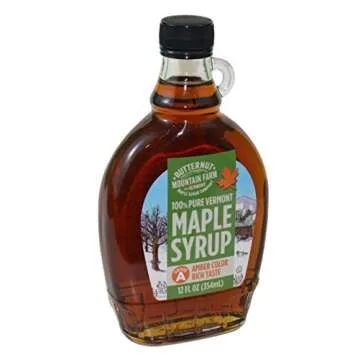
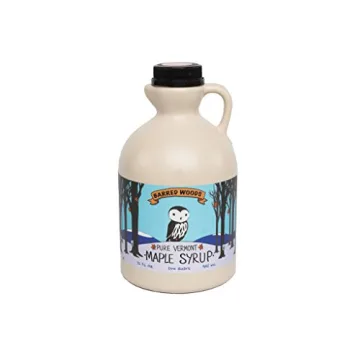
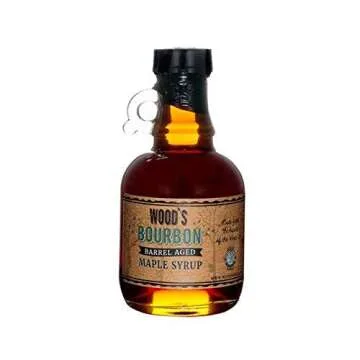
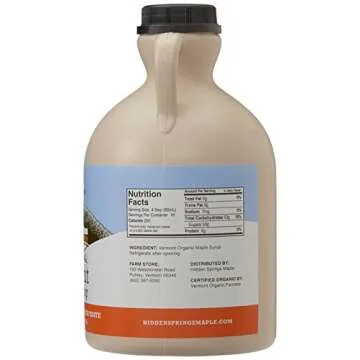
Vermont is famous for its delicious maple syrup, which contributes significantly to its economy. The state is the largest producer of this sweet condiment in the United States, with an annual syrup production that exceeds 2 million gallons!
Additional Resources
Recommended Reading on Vermont
Explore the detailed history of Vermont and its journey to statehood through The Vermont History Dictionary and Vermont: A History by William H. Smith, both of which provide rich insights into Vermont's unique contributions to the United States.






 Continue with Google