


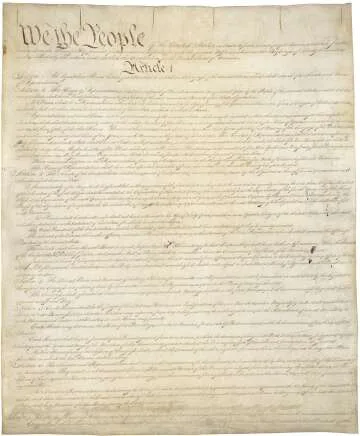
The Significance of Virginia’s Ratification
On June 25, 1788, Virginia became the tenth state to ratify the United States Constitution, marking a pivotal moment in the young nation’s history. This event not only solidified Virginia's commitment to the new framework of government but also significantly influenced other states' decisions to adopt the Constitution. The ratification was essential for achieving the necessary support from a state that was historically influential and populous.
Virginia’s Role in Early American Governance
Virginia played a central role in the early governance of the United States. Being one of the original thirteen colonies, it had produced notable leaders such as George Washington and Thomas Jefferson. The ratification by Virginia helped bolster confidence in the newly proposed Constitution, as it showcased the support of one of the most prominent states.
The Debates Surrounding the Ratification
The ratification process was marked by significant debates in the Virginia Ratifying Convention. Proponents argued that a strong national government would protect the rights of citizens and ensure stability. In contrast, opponents, including the famed orator Patrick Henry, voiced concerns about the potential for federal overreach and the lack of a Bill of Rights. The eventual passage reflected a compromise between differing opinions.
Aftermath and Historical Impact
Virginia’s ratification was not merely a formality; it was a crucial endorsement that encouraged other states to follow suit. Soon after, states like New York and North Carolina also ratified the Constitution. The decision to join the Union catalyzed discussions about the need for a Bill of Rights, which would become a vital element of the Constitution.
The Legacy of the Ratification Debate
The debates during Virginia's ratification convention set important precedents for future discussions on federalism and states' rights. It laid the groundwork for ongoing discussions within the political sphere, highlighting the tension between liberty and governance that has persisted throughout American history.
Virginia's Historical Contribution
The ratification of the U.S. Constitution by Virginia not only represented unity but also enhanced the legitimacy of the federal government. It affirmed Virginia's essential place in the narrative of the formation of the United States and its Constitution.
Fun Fact
Virginia’s Historical Prowess
Interestingly, the Virginia Constitution itself was a model for the U.S. Constitution, with elements such as the separation of powers and checks and balances being well established in these early documents.
Additional Resources
Recommended Reading on Virginia’s Ratification of the U.S. Constitution
For those interested in diving deeper into this topic, consider exploring “The Federalist Papers” by Alexander Hamilton, James Madison, and John Jay, as well as “The Constitution: An Illustrated History” for a comprehensive visual account of the ratification process.










 Continue with Google