


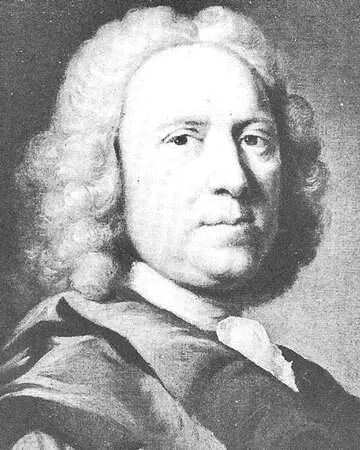
The Historic Appointment of William Allen
In the early 18th century, the city of Philadelphia was burgeoning and becoming a hub of political and social activity in the American colonies. One of the prominent figures of this time was William Allen, who, in 1731, became the first and youngest Provincial Grand Master of Pennsylvania within the Grand Lodge of Freemasonry. His leadership not only impacted the Masonic community but also laid the groundwork for several civic improvements in the city.
William Allen's Role as Provincial Grand Master
As the first Provincial Grand Master of Pennsylvania, William Allen played a crucial role in shaping the early landscape of Freemasonry in America. Appointed in a pivotal era when Freemasonry was experiencing unprecedented growth, Allen helped organize and regulate the activities of Masonic lodges in Pennsylvania, thus fostering an environment of brotherhood and mutual support among members. His efforts built a solid foundation that would lead to further expansion and prominence of Freemasonry in the region.
Significance of Allen's Leadership
William Allen’s tenure as Grand Master was significant, not just for Freemasonry, but for the entire community. His leadership emphasized the values of charity, community service, and moral integrity, principles that resonated deeply with the Masonic fraternity and beyond. Allen's ability to bring together diverse groups of men under the Masonic banner showcased his exceptional leadership qualities, setting a precedent for future Masonic leaders.
William Allen's Role as Mayor of Philadelphia
In addition to his Masonic achievements, William Allen served as the Mayor of Philadelphia during a crucial phase of its development. His time in office was marked by significant efforts to enhance city governance and public services, which reflected his commitment to the welfare of the citizens.
Innovative Governance by William Allen
As mayor, William Allen introduced several reforms aimed at improving public infrastructure in Philadelphia. His leadership facilitated better road construction, sanitation, and civic order; crucial elements for a growing city. Allen's approach to governance echoed the Masonic ideals of service and community care, reinforcing the societal role of Freemasons as leaders and benefactors in their communities.
Legacy of Allen's Mayorality
The legacy of William Allen as both Grand Master and mayor remains significant. His contributions helped pave the way for future developments in Philadelphia and the broader Masonic movement. As a figure who bridged the gap between societal roles and Masonic duties, Allen exemplified the ideals of leadership unprecedented in his time.
Fun Fact
William Allen's Interesting Fact
Did you know that William Allen was not only influential in Freemasonry but was also a successful businessman? He owned extensive land and was a significant figure in colonial trade, which further fueled his ability to effect change in the community.
Additional Resources
Recommended Reading on William Allen
For those interested in exploring more about William Allen and his contributions to Freemasonry and governance, consider reading “The History of Freemasonry in Pennsylvania”, which provides comprehensive insights into his life and work. Also, “Philadelphia: A History of the City” will give you a broader context of the era in which Allen lived.








 Continue with Google