


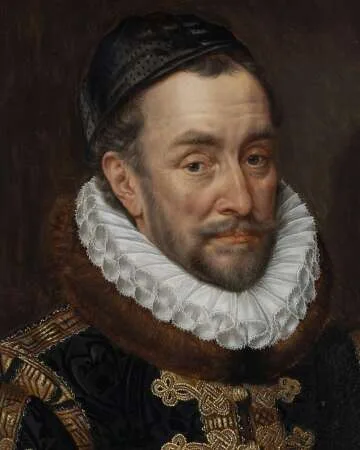
William I of Orange: The Outlaw
In 1580, a significant shift in the power dynamics of Europe occurred when Philip II of Spain declared William I of Orange, also known as William the Silent, an outlaw. This bold declaration was not merely a legal maneuver but a direct challenge in the fight for religious and political independence. The bounty placed on William's head, amounting to 25,000 crowns, highlighted the desperate measures Philip II was willing to employ to maintain control over the rebellious provinces of the Netherlands.
Background of William I of Orange
William I of Orange was born in 1533 in the principality of Orange, in what is now southern France. He quickly rose to prominence as a nobleman and military leader. His initial loyalty was to the Spanish crown, but over time, his views shifted towards supporting Protestantism, which was at odds with Catholic Spain's rule. His deepening commitment to the Dutch independence movement placed him in direct opposition to Philip II.
The Context of the Declaration
By the late 16th century, the Protestant Reformation was well underway in Europe, causing significant tensions between Catholic monarchies and their Protestant subjects. Philip II staunchly upheld Catholic supremacy and viewed William I's growing influence and leadership of the resistance in the Netherlands as a direct threat. On June 26, 1580, his declaration of outlawry was an attempt to crush the burgeoning revolt by putting a price on the head of its most formidable leader.
The Impact of the Outlaw Declaration
This declaration transformed William into a symbol of the resistance against oppressive rule. As an outlaw, he not only became a target for assassination but also galvanized support among the provinces seeking freedom from Spanish control. The bounty served to solidify the resolve of the opposing forces, leading to increased activities in the fight for independence.
Legacy of William I as an Outlaw
William's status as an outlaw did not deter his efforts; instead, it strengthened his resolve and commitment to the cause. His ability to evade capture and continue leading the resistance added to his legend in Dutch history as a national hero. The struggle for autonomy continued long after this proclamation, eventually leading to the Eighty Years' War.
Consequences for Philip II of Spain
For Philip II, the decision to declare William an outlaw backfired in many ways. Rather than silencing dissent, it inspired a united front among the Dutch provinces. Over the next few decades, the conflict escalated, contributing to the eventual recognition of the independence of the Dutch Republic by Spain in 1648 with the Treaty of Westphalia.
Fun Fact
William I of Orange’s Interesting Fact
Despite being declared an outlaw, William I managed to survive numerous assassination attempts, showcasing his resourcefulness and strategic acumen in both battle and political maneuvers.
Additional Resources
Recommended Reading on William I of Orange
For those interested in delving deeper into the life of this remarkable figure, consider reading The Rise of William the Silent by Julius K. Notz and William of Orange: A Biography by John L. C. Reed. These works provide a comprehensive view of both his achievements and the historical context of his struggle.





 Continue with Google