


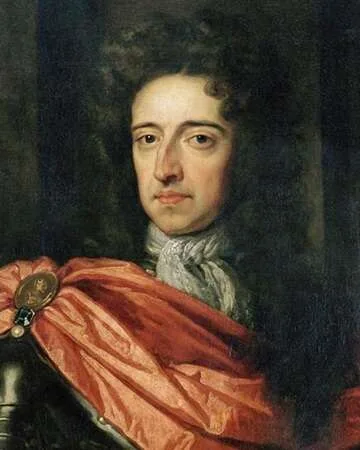
The Tension of Faith in 1688 Britain
The year 1688 was a pivotal moment in English history, marked by escalating tensions between the monarchy and Parliament, grounded deeply in religious divides. The Whig Lords, seeking to safeguard Protestantism, *questioned* Prince William III of Orange regarding his commitment to Protestant values. This inquiry was not merely political; it resonated with the fears of a Catholic monarchy threatening the Protestant faith in England.
William III’s Heritage and Protestant Commitment
Born in 1650 in The Hague, William of Orange was raised in a Protestant environment, heavily informed by the anti-Catholic sentiment prevalent in the Netherlands. During the questioning by the Whig Lords, his upbringing and past actions were scrutinized. William had a strong reputation for *championing* Protestant rights, and this moment presented him with an opportunity to reaffirm his dedication to the faith amidst rumors of Catholic sympathies.
The Whig Lords’ Concerns
The Whig Lords, staunch defenders of Protestantism, aimed to ensure that any potential ruler shared their values. Their questioning was part of a larger plan to challenge King James II, whose Catholic faith raised alarms among Protestants. By demanding clarity on William’s stance, they sought not only assurance for the Protestant faith but also to rally support against James II’s increasingly autocratic rule.
The Glorious Revolution Unfolds
The questioning culminated in what is now known as the Glorious Revolution, which saw William invited to invade England to dethrone James II. This event would solidify the supremacy of Parliament over the monarchy and establish a Protestant constitutional monarchy. The Whig Lords' pivotal role in questioning William showcased their commitment to preserving England's Protestant legacy.
Impact of the Questions on William III
William’s ability to navigate the Whig Lords’ inquiries affirmed his position as a leading Protestant figure. His responses indicated both a political astuteness and a solid grasp of the religious landscape—traits that would later aid in his swift ascension to the throne. The questions he faced shaped not only his image but defined the future of Britain.
Aftermath and Legacy of the Exchange
The events following the questioning subsequently led to the English Bill of Rights in 1689, which established a constitutional framework that emphasized the significance of Protestantism in governance. William III's reign brought stability and an enduring legacy advocating for parliamentary power over royal decree, steering England towards a more balanced political future.
Fun Fact
William III’s Diplomatic Skill
Despite the tension during the questioning, William III was known for his diplomatic skills. His adept handling of the situation not only reassured the Whig Lords but also laid the groundwork for his successful invasion of England.
Additional Resources
Recommended Reading on William III and the Glorious Revolution
For those interested in learning more about this crucial historical event, consider reading "The Glorious Revolution: 1688 - Britain’s Fight for Freedom" by Edward Vallance or "William III and the Politics of Persecution" by John Spurr.








 Continue with Google