


The Start of a Groundbreaking Movement
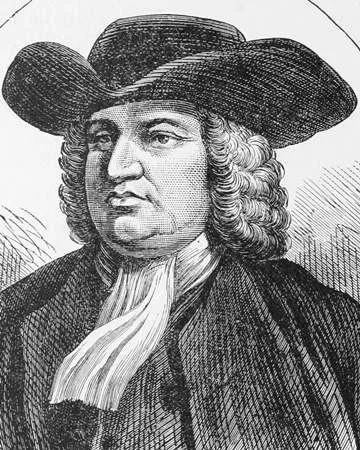
In the early 18th century, the ripples of change began to surface in Pennsylvania, a colony founded by William Penn. In 1700, William Penn, observed injustices faced by enslaved individuals and began advocating for their rights. Recognizing the importance of dialogue and community engagement, he initiated monthly meetings dedicated to the cause of emancipation for blacks. These meetings became a beacon of hope for many, laying the groundwork for future abolitionist movements in America.
William Penn and His Vision
Born in 1644, in London, England, William Penn was not only a noted Quaker leader but also a social reformer. His progressive ideas about freedom and religious tolerance extended beyond his time, prompting him to champion the rights of all individuals, including those enslaved. His leadership in establishing these monthly meetings galvanized collective support for emancipation, encouraging the local black community and their allies to stand up for their rights.
The Nature of Emancipation Meetings
These gatherings saw black leaders and community members come together to share their experiences, advocate for an end to slavery, and strategize about future steps towards freedom. Penn facilitated these dialogues which allowed for a greater understanding and collaboration between races, fostering a sense of unity and purpose that was essential for the emancipation movement.
Legacy of William Penn’s Emancipation Meetings
The significance of Penn's emancipation meetings cannot be overstated. They served as a catalyst for future actions within the abolitionist movement. Penn's early leadership in advocating for the rights of blacks highlighted a growing awareness and moral imperative regarding the institution of slavery.
Impact on the Abolition Movement
William Penn’s advocacy laid a foundation for future abolitionists who would continue the fight for freedom and equality. His vision inspired many to see the fundamental injustices of slavery and to actively seek reform within society, paving the way for essential changes in the laws governing slavery in Pennsylvania and beyond.
A Community United for Freedom
Through these meetings, Penn created a platform that united individuals committed to the cause. It empowered them to voice their struggles and aspirations, highlighting the collective strength of a community seeking for emancipation.
Fun Fact
William Penn’s Advocacy for Peace
Aside from his commitment to emancipation, William Penn was an advocate for peace and justice, promoting nonviolent approaches to conflict resolution. This philosophy influenced how the early emancipation meetings were conducted, focusing on dialogue rather than confrontation.
Additional Resources
Recommended Reading on William Penn and Emancipation
For those interested in learning more about William Penn and his initiatives, consider reading "William Penn: A Life" by Andrew R. Murphy and "The Abolitionist Movement: History and Historiography" by James H. Merrell. These works provide deeper insights into Penn's life and the broader context of the abolitionist struggle.






 Continue with Google