


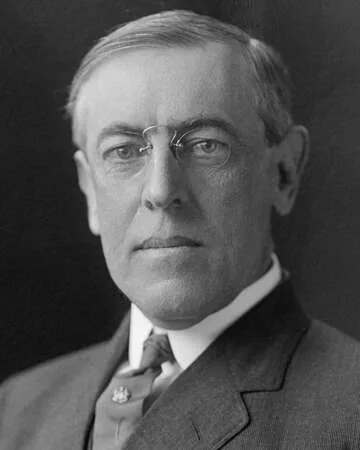
The Health Crisis of President Woodrow Wilson
In the year 1919, a significant and troubling event unfolded in American history—the breakdown of President Woodrow Wilson. This crisis not only impacted his personal health but also had lasting effects on the political landscape of the United States as he was navigating post-World War I challenges. Wilson had returned from Europe after the Paris Peace Conference, where he had championed the establishment of the League of Nations, aiming to promote peace and prevent future global conflicts.
Understanding Woodrow Wilson's Health Prior to the Breakdown
Before the breakdown, Wilson was known for his tireless efforts to achieve international justice and stability. However, the demands of politics, along with his strenuous travel schedule, began to take a toll on his health. On September 25, 1919, during a speaking engagement in Pueblo, Colorado, he experienced a serious collapse, which would mark the beginning of a serious health decline. Reports indicated that he had been suffering from severe headaches and fatigue leading up to this incident, suggesting that his health had already been under significant strain.
Consequences of the Breakdown
Wilson's breakdown in Pueblo forced him to retreat from the public eye, significantly impairing his ability to lead the nation at a critical time. His absence allowed others in his administration to exert influence, which raised concerns about political stability and governance. The President's struggle with his mental and physical health eventually led to a less effective approach to negotiation regarding the Treaty of Versailles and the contentious debate over the League of Nations, further polarizing the political climate.
The Aftermath of Wilson’s Breakdown
The effects of Wilson's breakdown were profound and indicative of the personal and political challenges that can arise in leadership positions. After returning to the White House, his health never fully recovered, leaving him vulnerable and limiting his capacity to advocate for significant policies. The year following his breakdown was marked by increasing isolation and reliance on his closest advisors.
The Impact on American Diplomacy
Wilson's inability to effectively negotiate following his breakdown illustrates how personal health can affect national policy. His original vision for an international organization aimed at peace suffered as he struggled to maintain control over the political narrative. Consequently, the United States became embroiled in debates over isolationism and interventionism in the years that followed.
Legacy of Woodrow Wilson's Health Crisis
Woodrow Wilson's health crisis is a pivotal chapter in both his presidency and American history. It serves as a cautionary tale about the strains of leadership and the importance of health in governance. Wilson's experiences underscore the necessity for leaders to manage their well-being while navigating the complexities of national and international affairs.
Fun Fact
Woodrow Wilson’s Interesting Fact
While many recall the impact of his policies, few know that Woodrow Wilson was the first sitting president to travel to Europe during his presidency—demonstrating his commitment to international diplomacy, even as health issues began to hinder his effectiveness.
Additional Resources
Recommended Reading on Woodrow Wilson
For a deeper exploration of Woodrow Wilson’s life and presidency, consider reading The Political Science of Woodrow Wilson and Wilson: The Life and Letters of Woodrow Wilson. These works provide comprehensive insights into the trials and triumphs of his leadership.










 Continue with Google