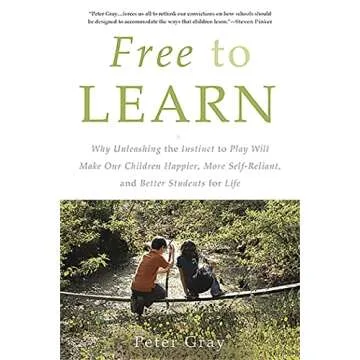
Discover the groundbreaking ideas in Free to
Learn by Peter Gray, an essential read for parents,
educators, and anyone interested in reforming how we approach
childhood education. This compelling book draws on extensive
research to champion the idea that when children are granted
freedom in their learning, they thrive in ways that traditional
schooling limits. Gray explores the concept that children are
inherently driven to learn and engage through play, creating a case
that invites readers...
Show more Discover the groundbreaking ideas in Free to Learn by Peter Gray, an essential read for parents, educators, and anyone interested in reforming how we approach childhood education. This compelling book draws on extensive research to champion the idea that when children are granted freedom in their learning, they thrive in ways that traditional schooling limits. Gray explores the concept that children are inherently driven to learn and engage through play, creating a case that invites readers to rethink the current education system, which often prioritizes compliance and rote learning over curiosity and creativity.
The book articulates a model of education where children have the autonomy to explore their interests freely, aligning with their natural instincts. Gray provides historical context, showing how the evolution from tribal cultures to modern society has adversely impacted children's natural learning processes. By highlighting the importance of play in education, Free to Learn encourages parents and educators alike to foster environments that nurture self-reliance and a love for learning.
- In-depth Analysis: Combines insights from psychology, anthropology, and education to present a comprehensive view of learning.
- Research-Backed: Cites extensive studies that confirm the effectiveness of self-directed learning environments.
- Practical Examples: Offers real-life stories and case studies of successful free learning approaches.
- Transformative Ideas: Proposes innovative educational practices like age-mixing, allowing children to learn from one another.
- Addressing Concerns: Tackles parental fears about letting children learn autonomously, providing reassuring evidence.
Who Will Benefit from This Book?
- Parents looking to enhance their children’s independence and learning experiences.
- Educators seeking alternative teaching methodologies that prioritize student engagement.
- Childcare professionals interested in fostering environments conducive to self-directed play.
- Researchers and advocates of educational reform aiming for a more holistic approach.
- Anyone interested in the psychological development of children.
The impact of Free to Learn resonates in various settings. Ideal occasions for pursuing this enlightening read include:
- Parent-Teacher Conferences: Use insights from the book to advocate for changes in educational practices.
- Home Schooling Discussions: Perfect for parents considering or engaging in home education approaches.
- Workshops and Seminars: Key resource for educators interested in alternative learning environments.
- Book Clubs: Generate lively discussions on child development and education reform.
Comparison with Competitors
While many educational books address the importance of engagement in learning, few provide such a robust synthesis of research and practical recommendations as Free to Learn. Unlike many mainstream educational guides that focus heavily on curricular achievement and standardized testing, Gray's work urges a shift towards recognizing each child's intuition to learn through play. This book stands out in its depth and practicality, making it a vital resource for anyone interested in improving educational outcomes.
Why You Will Love This Product?
Imagine a world where children grow up not only knowing academic content but also possessing the emotional intelligence, creativity, and independence necessary to navigate life successfully. Free to Learn offers hope and practical guidance towards this vision. By prioritizing play in education, you can help foster happier, more resilient children. This book not only challenges conventional beliefs but also reaffirms the innate potential within every child, making it a must-read for anyone serious about fostering optimal learning conditions.
Less








 Continue with Google