







Fun and Interactive Ways to Learn About Finance
Who said learning financial concepts had to be boring? In today's fast-paced world, understanding money management is crucial. Fortunately, board games have emerged as an entertaining and educational tool, allowing both children and adults to grasp essential finance principles while having fun. If you're looking for a thoughtful gift that educates as well as entertains, these finance-themed board games are ideal for families or young learners eager to expand their financial literacy.
Whether you're a gift buyer seeking unique and educational options or a parent keen to provide your kids with valuable life skills, this list has something for you. Below, we present some exciting board games that not only engage players but also offer practical lessons about money, investing, and strategic financial planning. Let’s dive into these interactive tools that can change the way your children perceive and manage finances.
1. Monopoly: Star Wars Complete Saga Edition Board Game
Kicking off our list is the Monopoly: Star Wars Complete Saga Edition Board Game. This vibrant twist on the classic game allows kids to explore the Star Wars universe while learning the fundamentals of property trading and real estate investment. Suitable for ages 8 and up, players will navigate through their favorite locations like Tatooine and Hoth, giving a rich thematic experience that is hard to beat.
Monopoly teaches essential lessons about buying and selling properties, negotiating deals, and managing money efficiently. It's a game that encourages strategic thinking and decision-making—skills that are invaluable in the world of finance. Your kids will learn to grapple with real-world scenarios while engaging with characters they love.
2. Catan Board Game Base Game
Next up is the Catan Board Game Base Game, which brings family fun and adventure for 3-4 players. In Catan, players assume the roles of settlers on an uncharted island, competing to gather resources, build settlements, and expand their territories. This game examines trade, resource management, and economic strategy—vital concepts for anyone learning about finance.
Catan provides a platform for players to practice negotiation skills and strategic planning, teaching them how to utilize resources wisely while navigating the complexities of supply and demand. Playing Catan not only sharpens financial savvy but also enhances teamwork and problem-solving abilities, making it a well-rounded choice for family game night.
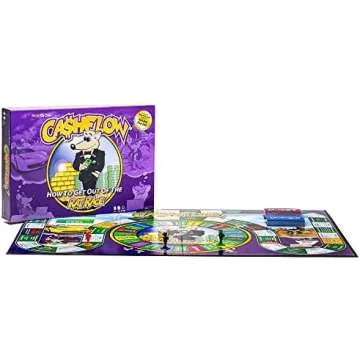
3. Rich Dad CASHFLOW Game
For older children seeking a deeper understanding of personal finance, the Rich Dad CASHFLOW Game is a must-try. Aimed at players aged 14 and up, this educational game emphasizes financial literacy, investment strategies, and wealth-building principles promoted by Robert Kiyosaki, author of the famous book "Rich Dad Poor Dad". This board game introduces concepts such as cash flow, assets, and liabilities, demystifying complex financial topics.
CASHFLOW will prepare older teens for real-world financial challenges, offering insights into entrepreneurship and investment. Through practical gameplay scenarios, they will learn the importance of making informed fiscal decisions, building wealth, and understanding the financial marketplace.
4. The Game of Life Electronic Banking
Another classic that gets a modern twist is The Game of Life Electronic Banking by Hasbro. This fun game combines life choices with money management, allowing players to experience the different paths life can take—from education to career to personal finance decisions. Players will navigate through careers and family setups while managing their finances electronically, reinforcing the importance of being responsible with money.
This modern adaptation not only makes financial concepts accessible but also instills a sense of accountability in financial decision-making. It’s a perfect way to engage children and young adults as they make choices that affect their virtual lifecycle, helping them appreciate real-life repercussions of financial habits.
5. Classic Monopoly Board Game
The timeless Monopoly Board Game remains a staple in teaching financial responsibility. This classic property trading game has been a favorite for generations, offering a light-hearted yet impactful approach to money management. Players learn about property investment, rent collection, and market fluctuations while aiming to outsmart their competitors.
This game is engaging and teaches financial terms and concepts in an accessible manner, making it ideal for family game nights. Kids can grasp essential economics and learn the value of strategic investments while enjoying the competitive atmosphere. Now is a great time to introduce this classic to your family if you haven't already!
6. The Game of Pay Day
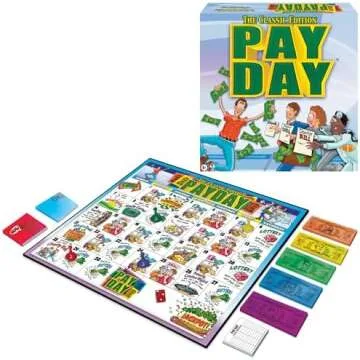
Last but not least, we have The Game of Pay Day. This fun game revolves around a month in the life of players as they manage their money, dealing with unexpected expenses and payday rewards. It provides a simplistic yet valuable overview of income and expenses, crucial components of any financial curriculum.
The nostalgic artwork and competitive gameplay engage players while they learn. As they collect bills, pay off debts, and navigate monetary decisions, they build an understanding of cash management that will benefit them in real life. This engaging game is great for ages 8 and up and offers lessons amidst laughter.
Frequently Asked Questions
- Why should I teach my kids about finance? Learning about finance equips children with essential life skills like budgeting, saving, and understanding the value of money. It prepares them for responsible money management in adulthood.
- At what age can children start learning about finance? Children as young as 6 can begin understanding basic financial concepts through games and discussions. More complex ideas can be introduced as they grow older.
- Are board games an effective way to teach finance? Yes! Board games make learning about finance interactive and engaging, allowing players to practice real-life money management skills in a fun way.
In conclusion, these board games promise an enjoyable experience while imparting valuable financial knowledge to children of all ages. From strategic property management to understanding the nuances of cash flow, each game on this list offers unique insights that will benefit young learners greatly. As we encourage financial literacy, we also spark joy in family interactions through gameplay.
Explore your favorites now, and consider picking up a few of these fantastic games to make learning finance enjoyable for your family. Your children will thank you later, and they will grow up with the skills needed to succeed in their financial futures!



 Continue with Google