



Android vs. iOS in 2025: Best Smartphone OS for You
"Android vs. iOS in 2025: A Feature-by-Feature Breakdown"
Choosing between Android
and iOS has
always been a heated debate, and in 2025, the competition is
fiercer than ever. With both platforms evolving at lightning
speed, they offer cutting-edge features, improved security, and
enhanced AI capabilities. But which one is right for
your lifestyle? Let’s break it down based on the
latest innovations, key differences, and how each platform caters
to different user needs.
What’s New in Android & iOS for 2025?
Android (2025 Updates)
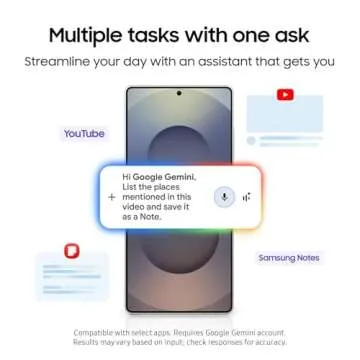
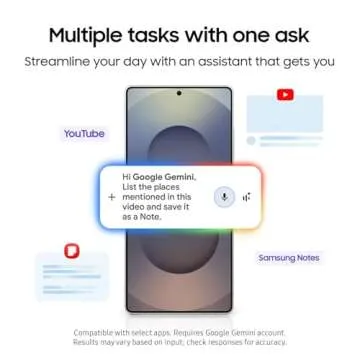
- AI-Powered Customization: Android 15 now integrates Google Gemini AI, offering real-time personalization for themes, widgets, and app recommendations.
- Advanced Multi-Tasking: Samsung’s Galaxy Z Fold 7 and Google Pixel Fold 2 showcase seamless multi-window productivity.
- Universal Device Compatibility: Improved cross-device sync across smartwatches, tablets, and PCs using Google's ecosystem.
- Extended Software Updates: Flagship models from Samsung, Google, and OnePlus now offer up to 7 years of OS and security updates to match Apple.
iOS (2025 Updates)
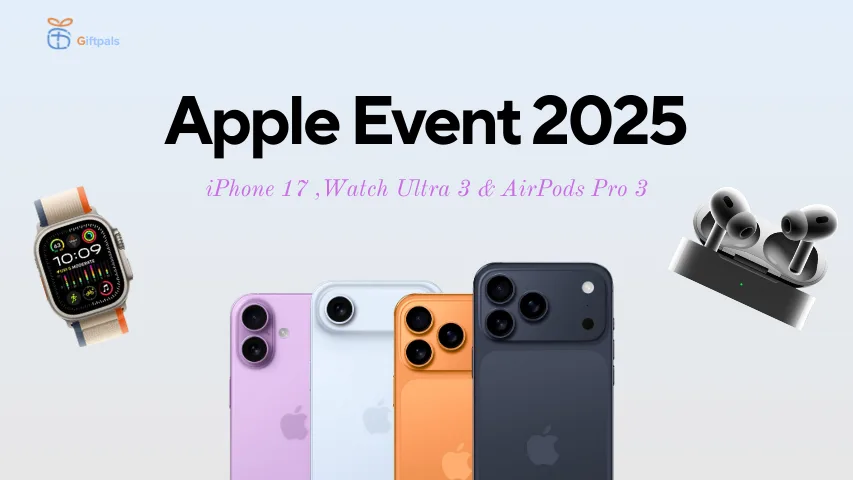
- Apple Intelligence (AI): Siri has received a massive AI boost, making it context-aware, allowing deeper voice command control.
- iPhone 16’s Dynamic Display A new 120Hz ProMotion always-on display comes to all models.
- Seamless Ecosystem Expansion: Apple’s Vision Pro, AirPods, and MacBooks now integrate even better with iPhones.
- More Customization (Finally!): Apple finally allows more home screen personalization, interactive widgets, and app icon changes.
Now, let’s compare Android and iOS based on key factors that matter most.
1. Customization & User Experience: Which One Gives You More Control?
Android
✅ Highly customizable—you can tweak everything, from the
home screen, themes, gestures, widgets, and
default apps.
✅ More control over file management and sharing
options.
✅ Offers variety—dozens of manufacturers
(Samsung, Google, OnePlus, etc.), each with unique features.
iOS
✅ More streamlined experience with less clutter
and faster navigation.
✅ Apple has added limited customization
(widgets, lock screen changes), but it's still behind
Android.
✅ Stronger app optimization, with most apps
running smoother and faster than on Android.
🏆 Winner: Android (if you love
personalizing your device).
🥈 iOS (if you prefer a clean, straightforward
experience).
2. Performance & Speed: Which One Feels Smoother?
Android
✅ High-end Android devices (Google Pixel, Samsung Galaxy S,
OnePlus 12) now match or surpass iPhones in
speed.
✅ Android 15 is more optimized, reducing lag and
increasing efficiency.
✅ AI-driven adaptive battery and memory
management ensure longevity.
iOS
✅ iPhones still dominate in long-term
performance due to Apple’s tight
software-hardware integration.
✅ The A18 Bionic chip in the iPhone 16 is the
fastest mobile processor in 2025.
✅ Less fragmentation means apps perform better
on iOS compared to Android.
🏆 Winner: iOS (for raw speed
and long-term performance).
🥈 Android (great for power users who want
flexibility).
3. AI & Smart Features: Who’s Leading in 2025?
Android (Google Gemini AI)
✅ Smarter Google Assistant: Now context-aware
and deeply integrated with apps.
✅ Real-time call screening with AI-powered spam
detection.
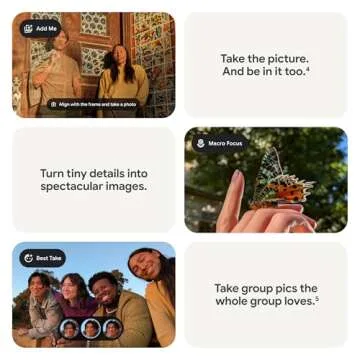
✅ Magic Editor in Google Photos lets you
rearrange and delete objects in photos
seamlessly.
iOS (Apple Intelligence AI)
✅ Siri 2.0 is now truly smart,
finally catching up with Google Assistant.
✅ AI-driven app suggestions, summaries, and personalized
recommendations.
✅ On-device AI for privacy-focused automation
(e.g., automatically filtering notifications based on your
behavior).
🏆 Winner: Android (Google
Gemini AI is still ahead).
🥈 iOS (Apple is catching up but remains slightly
behind).
4. Ecosystem & Device Compatibility: Which One Works Best Across Devices?
Android
✅ Works seamlessly with Windows PCs, Chromebooks, smart
TVs, and smart home devices.
✅ Samsung and Google offer multi-device syncing
(calls, texts, and clipboard sharing across devices).
✅ Google Fast Pair for quick Bluetooth
connections.
iOS
✅ Apple’s ecosystem (iPhone, Mac, iPad, Apple Watch, AirPods, and
Vision Pro) works flawlessly together.
✅ Airdrop, Handoff, and Universal Clipboard make
Apple devices the gold standard in
integration.
✅ iMessage and FaceTime lock you into Apple’s
ecosystem, making it hard to leave.
🏆 Winner: iOS (if you're deep
into Apple's ecosystem).
🥈 Android (better if you use mixed devices).
5. Security & Privacy: Who Keeps You Safer?
Android
✅ More frequent security updates from Samsung and
Google.
✅ Enhanced biometric security (fingerprint +
face unlock on most devices).
✅ More control over app permissions.
iOS
✅ Apple’s closed system makes it less
prone to malware and hacking.
✅ iOS 18 improves privacy features with
App Privacy Reports and on-device
processing.
✅ Face ID is still the most secure biometric
system.
🏆 Winner: iOS (Apple’s
privacy-first approach remains unmatched).
🥈 Android (getting better but still more
vulnerable due to its open-source nature).
6. Price & Device Variety: Who Gives You More Options?
Android
✅ Huge range—from budget-friendly ($200) to
flagships ($1,500+).
✅ More flexibility with brands, features, and form
factors.
✅ Foldable, rollable, and gaming-focused phones
available.
iOS
✅ Only flagship devices—iPhones start at $699
and go up to $1,599.
✅ Apple offers older models at lower prices but
no true budget options.
🏆 Winner: Android (for
affordability and variety).
🥈 iOS (if you're okay with premium pricing).
Which One Fits Your Lifestyle Best?
| Feature | Winner | Best For... |
|---|---|---|
| Customization | Android | Power users, creatives, tech enthusiasts |
| Performance | iOS | Long-term reliability, smooth user experience |
| AI & Smart Features | Android | AI-driven features, automation |
| Ecosystem | iOS | Seamless device syncing (Mac, iPad, Vision Pro) |
| Security | iOS | Privacy-conscious users |
| Affordability | Android | Budget-conscious users, variety seekers |
FAQ
Q1: Which is more secure, Android or iOS?
A1: iOS is generally more secure due to its
closed ecosystem and strict app store
policies, while Android offers more
flexibility but requires users to be cautious about app
sources.
Q2: Which is better for long-term use, Android or
iPhone?
A2: iPhones tend to have longer software
support (around 7 years) and better resale
value, while high-end Android devices also offer
extended updates but vary by manufacturer.
Q3: Which platform is better for gaming?
A3: iPhones typically provide better
game optimization due to Apple’s powerful
processors, but Android offers a wider range of
gaming devices, including models with higher
refresh rates and cooling systems.
Final Verdict: Should You Get an Android or iPhone in 2025?
Pick Android if you
✅ Want customization, flexibility, and
variety.
✅ Prefer better AI-powered features.
✅ Need an affordable or foldable phone.
Pick iOS if you
✅ Value long-term performance, security, and Apple’s
ecosystem.
✅ Want a faster, smoother experience.
✅ Prefer seamless integration across Apple
devices.
💡 Final Thought: If you’re deep into the Apple ecosystem, iOS remains the best option. But if you love customization, AI features, and choice, Android is the clear winner. Which one fits your lifestyle best? Let us know! 🚀









 Continue with Google
Reviews