



Beginner's Guide to Choosing Your First Digital Camera
"Which Beginner Camera is Best for Your Photography Needs?"
Have you ever felt overwhelmed trying to pick the
right digital camera? With so many models, features,
and price points, it’s easy to get lost in the choices. Whether
you’re a beginner looking to capture cherished family moments, an
aspiring photographer
starting a new hobby, or someone considering a step into
professional photography, finding the right camera is crucial.
From megapixels and sensor sizes to lens compatibility and user-friendly features, the perfect camera depends on your specific needs and budget. Do you want a compact point-and-shoot for everyday snapshots? Or are you leaning toward a mirrorless or DSLR camera for more creative control? Understanding what to look for can make your decision much easier.
This guide breaks down the essential factors to consider when buying your first digital camera. We’ll explore the differences between camera types, key features to prioritize, and tips for getting the best value for your money. By the end, you’ll be equipped with the knowledge to confidently choose a digital camera that suits your goals—without overspending or settling for something that doesn’t meet your expectations.
Let’s dive in and find the best digital camera for you!
Understanding Different Types of Digital Cameras
Before selecting a camera, it helps to understand the main types available:
1. Compact Cameras (Point-and-Shoot): Small, lightweight, and easy to use, these are ideal for casual photography.
- Best Choice: Sony RX100 VII — Offers excellent image quality in a compact body with a powerful zoom.
2. Bridge Cameras: A step up from point-and-shoots, offering better zoom and manual controls without interchangeable lenses.
- Best Choice: Panasonic Lumix FZ1000 II—features a 1-inch sensor and a versatile zoom range.
3. Mirrorless Cameras: lightweight cameras with interchangeable lenses, providing high image quality and versatility.
- Best Choice: Sony A6400—a great balance of price, portability, and performance with fast autofocus.
4. DSLRs (Digital Single-Lens Reflex): bulkier but offering superior image quality, manual controls, and interchangeable lenses for those serious about photography.
- Best Choice: Canon EOS Rebel T8i—a solid beginner-friendly DSLR with excellent image quality and ease of use.
5. Action cameras: designed for adventure and sports photography, often featuring waterproof and rugged designs.
- Best Choice: GoPro HERO12 Black—the top choice for high-quality, stable footage with excellent durability.
6. Instant Cameras: Great for instant physical prints and fun, nostalgic photography.
- Best Choice: Fujifilm Instax Mini 12: Affordable, easy to use, and great for fun, quick prints.
Key Factors to Consider
1. Your Purpose and Photography Style
Consider what you’ll be using the camera for:
Travel & Everyday Use: Compact or mirrorless cameras are great due to their portability.
- Best Choice: Sony RX100 VII (compact) or Fujifilm X-T30 II (mirrorless).
Vlogging & Content Creation: A mirrorless camera with a flip screen and good video quality is ideal.
- Best Choice: Sony ZV-1 – Designed specifically for vloggers.
Professional Photography: A DSLR or high-end mirrorless camera with interchangeable lenses offers the best quality.
- Best Choice: Canon EOS R6 (mirrorless) or Nikon D750 (DSLR).
Wildlife & Sports Photography: Look for cameras with fast autofocus and high-speed shooting (mirrorless or DSLR).
- Best Choice: Sony A9 II – Ultra-fast shooting speed and autofocus capabilities.
2. Image Quality and Sensor Size
A larger sensor generally provides better image quality. Common sensor sizes include:
- Best Choice for Full-frame: Sony A7 IV – Exceptional image quality with a full-frame sensor.
- Best Choice for APS-C: Canon EOS R7 – Great balance of quality and affordability.
- Best Choice for Micro Four Thirds: Olympus OM-D E-M1 Mark III – Compact with solid performance.
- Best Choice for 1-inch Sensor: Sony RX100 VII – Best compact camera with a large sensor.
3. Megapixels: Are More Always Better?
While megapixels matter, anything above 12MP is generally sufficient for beginners. More megapixels are useful if you plan to crop or print large images.
- Best Choice: Canon EOS R5 (45MP)—best for high-resolution needs.
4. Lens Options and Zoom
- Best Choice for Interchangeable Lenses: Sony A7 IV—Visatile for different photography needs.
- Best Choice for Super Zoom: Nikon P1000—Insane 125x optical zoom for distant subjects.
5. Manual vs. Automatic Controls
For beginners, automatic settings make it easier to get started. As you progress, manual controls allow for more creative freedom.
- Best Choice: Canon EOS Rebel T8i—Good mix of automatic and manual settings.
6. Video Capabilities
If you plan to shoot videos, consider cameras with at least 1080p resolution or 4K if you want higher quality. Features like external microphone support and image stabilization are also useful.
- Best Choice: Sony A7S III: Industry leader in video quality and low-light performance.
7. Battery Life
DSLRs typically offer better battery life than mirrorless cameras. Consider battery longevity if you plan to shoot for extended periods.
- Best Choice: Canon EOS 90D—long battery life and great features.
8. Size and Portability
If you travel often or want something lightweight, a compact or mirrorless camera is a better choice than a bulky DSLR.
- Best Choice: Fujifilm X100V – Stylish, portable, and delivers excellent quality.
9. Budget Considerations
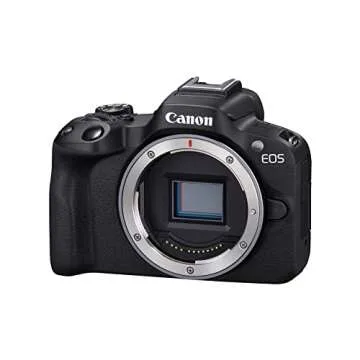
- Best Entry-Level Camera (Under $500): Canon EOS M50 Mark II – Great for beginners.
- Best Mid-Range Camera ($500-$1,500): Sony A6400: Solid balance of features.
- Best High-End Camera ($1,500+): Sony A7 IV—Best for professionals and enthusiasts.
Digital Camera Comparison Table
| Camera Type | Best Choice | Key Features | Best For | Price Range |
|---|---|---|---|---|
| Compact (Point-and-Shoot) | Sony RX100 VII | 1-inch sensor, 24-200mm zoom, 20MP, fast autofocus, 4K video | Travel, everyday use | $$$ |
| Bridge Camera | Panasonic Lumix FZ1000 II | 1-inch sensor, 16x zoom, 20MP, 4K video, manual controls | Wildlife, versatile zooming | $$ |
| Mirrorless Camera | Sony A6400 | APS-C sensor, fast autofocus, 24MP, 4K video, compact body | Beginners, travel, vlogging | $$ |
| DSLR Camera | Canon EOS Rebel T8i | APS-C sensor, 24MP, optical viewfinder, good battery life, interchangeable lenses | Learning photography, professional use | $$ |
| Action Camera | GoPro HERO12 Black | Waterproof, 5.3K video, HyperSmooth stabilization, rugged design | Adventure, sports | $$ |
| Instant Camera | Fujifilm Instax Mini 12 | Instant photo prints, simple operation, fun colors | Casual fun, parties, instant prints | $ |
| Best for Professional Photography | Canon EOS R6 | Full-frame sensor, 20MP, 4K video, fast autofocus, IBIS (stabilization) | Professional photography | $$$$ |
| Best for Vlogging | Sony ZV-1 | Flip screen, built-in ND filter, 4K video, fast autofocus | YouTube, social media content | $$ |
| Best for Wildlife & Sports | Sony A9 II | Full-frame, ultra-fast 20fps shooting, superb autofocus | Action, wildlife, sports photography | $$$$ |
| Best for High-Resolution Photography | Canon EOS R5 | 45MP sensor, 8K video, advanced autofocus system | Large prints, professional work | $$$$ |
| Best Super Zoom Camera | Nikon P1000 | 125x optical zoom, 16MP, 4K video, built-in stabilization | Birdwatching, distant subjects | $$ |
| Best Battery Life (DSLR) | Canon EOS 90D | APS-C sensor, 32MP, long battery life, 4K video, fast shooting | Long outdoor shoots, battery longevity | $$ |
| Best Full-Frame Camera | Sony A7 IV | 33MP full-frame sensor, 4K 60fps video, excellent dynamic range | Professional & enthusiast photography | $$$$ |
| Best Budget Camera (Under $500) | Canon EOS M50 Mark II | APS-C sensor, 24MP, flip screen, good video quality | Beginners, content creation | $ |
Legend
$ = Budget-friendly
$$ = Mid-range
$$$ = High-end
$$$$ = Professional-grade
Additional Features to Look For
For more in-depth insights, check out these resources:
- Understanding Camera Connectivity
- Weather-Sealed Cameras for Outdoor Photography
- Best for Wi-Fi & Bluetooth Connectivity: Canon EOS R7—Great connectivity options.
- Best for Weather Sealing: Nikon Z8—rugged and built for tough conditions.
- Best for Built-in Flash & Hot Shoe Mount: Sony A6600 – Has both features for flexibility.
Final Tips for Choosing the Right Camera
- Try Before You Buy: Visit a store and test the camera’s ergonomics and ease of use.
- Read Reviews & Watch Tutorials: Learn from others’ experiences.
- Consider Future Upgrades: If you plan to grow in photography, a camera with interchangeable lenses may be a better long-term investment.
- Look for Deals & Bundles: Some cameras come with kits that include lenses and accessories, providing better value.
Frequently Asked Questions
Q: What is the best type of camera for a beginner?
A: If you want something simple and easy to use, a compact camera like the Sony RX100 VII is a great choice. If you're interested in learning manual settings, a mirrorless camera like the Sony A6400 is ideal.
Q: Should I get a DSLR or a mirrorless camera?
A: Mirrorless cameras are generally lighter and more modern, while DSLRs offer better battery life and an optical viewfinder. If you prefer portability, go with a mirrorless camera like the Canon EOS R7. If you want a traditional feel, a DSLR like the Canon EOS Rebel T8i is a good option.
Q: How important is sensor size when choosing a camera?
A: Sensor size affects image quality. A full-frame sensor (e.g., Sony A7 IV) provides the best quality but is expensive. APS-C sensors (e.g., Canon EOS R7) are more budget-friendly while still offering excellent results.
Q: What should I consider if I want a camera for vlogging?
A: Look for a camera with a flip screen, good
autofocus, and high video quality. The Sony
ZV-1 is a great compact vlogging camera, while
the Sony A7S III is excellent for professional
video content.
Selecting your first digital camera doesn’t have to be complicated. By understanding your needs, budget, and the features that matter most, you can make an informed decision. Whether you go for a compact point-and-shoot, a versatile mirrorless camera, or a powerful DSLR, the right camera will help you capture amazing memories and develop your photography skills.
Still unsure which camera is best for you? Explore our in-depth camera buying guides and expert reviews to make the perfect choice. Visit Best Camera Guides for the latest recommendations!
Now, go out and start shooting!






 Continue with Google
Reviews