







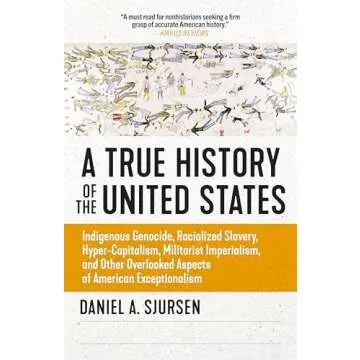





Exploring the World of Criticism and Interpretation
Understanding the Basics of Criticism and Interpretation
Criticism and interpretation play a significant role in the world of art, literature, and various forms of creative expression. By definition, criticism involves the analysis and evaluation of creative works, while interpretation seeks to uncover the deeper meanings and messages embedded within these works. Together, they enhance our appreciation and understanding of artistic endeavors.
At its core, criticism is not merely about judgment; it's a thoughtful examination that provides context and insight. Critics use their knowledge of artistic techniques, historical context, and cultural influences to assess a piece's effectiveness. This evaluation can lead to engaging discussions that help audiences and creators alike understand different perspectives.
Interpretation, on the other hand, often allows for a more personal connection. Each viewer or reader may bring their own experiences and emotions into their understanding of a piece, making interpretation a deeply individual and subjective process. By exploring various interpretations, one can appreciate the versatility and richness of the work.
Ultimately, both criticism and interpretation encourage dialogue and foster a deeper connection with the art, inviting audiences to see beyond the surface and engage with the underlying themes and intentions of the creators.
Popular Approaches and Perspectives in Criticism
Criticism can be approached from various schools of thought, each offering unique insights into how we engage with creative works. Some of the most common approaches include formalism, psychoanalytic criticism, and feminist theory, among others. Formalism focuses on the technical aspects of a work—its structure, style, and aesthetic qualities—allowing the viewer to appreciate the craftsmanship involved.
Psychoanalytic criticism, inspired by the theories of Freud, delves into the psychological motivations of both the creators and the characters within the work. It aims to uncover the latent meanings behind actions, symbols, and themes, revealing the underlying human psyche at play. Similarly, feminist criticism examines the representation of gender, highlighting issues of power dynamics and the voice of marginalized groups.
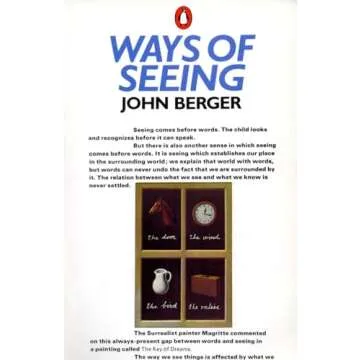
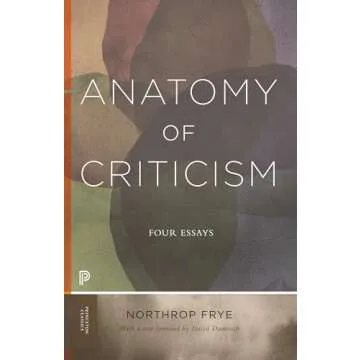
When selecting books or resources that provide insight into these criticism styles, renowned names such as Harold Bloom and Susan Sontag stand out for their compelling analyses and interpretations. Their works can serve as a guide to understanding different perspectives in critique and appreciation.
Understanding these diverse critical frameworks not only enriches one’s personal experience but also cultivates a more informed viewpoint that can be shared with others, fostering a community around art and literature.
The Benefits of Engaging with Criticism and Interpretation
Engaging with criticism and interpretation offers numerous benefits, particularly for those who wish to deepen their literacy in art and literature. Firstly, it enhances critical thinking skills, allowing individuals to evaluate not only the works themselves but also the critiques and interpretations offered by others.
This engagement can push one to actively question the status quo, encouraging a habit of reflection and analysis that transcends the realms of art and literature. Moreover, as readers or viewers participate in discussions about the meaning and value of a piece, they partake in a rich exchange of ideas and perspectives, which can lead to broader horizons in cultural understanding.
Additionally, acquiring a more nuanced understanding of criticism and interpretation can influence one’s appreciation for creativity. By uncovering the layers of meaning in a piece, we can enjoy a richer emotional and intellectual connection with art. Whether it’s appreciating the subtleties in a poem or understanding the historical context of a painting, interpretation fosters a deeper bond with creativity.
Lastly, utilizing platforms such as Giftpals.com to explore resources and discover literature on criticism can serve as an excellent starting point. The thoughtfully curated collections help users find valuable insights that enhance their understanding and appreciation of artistic expression.



 Continue with Google