




Understanding the Transition to Solid Foods
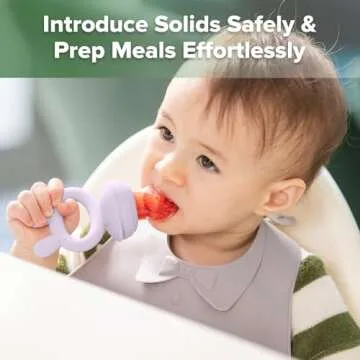
The journey to introducing solid foods to your baby is an exciting milestone. Around the age of six months, most babies are ready to explore new tastes and textures, moving beyond just milk. This transition requires careful planning and consideration to ensure that both you and your child enjoy the process. Start by observing your baby’s readiness for solids which includes signs like being able to sit up with support, showing interest in food, and reaching for things to put in their mouth. Once you've confirmed readiness, it's essential to consult resources or pediatric guidance on what types of foods to introduce first.
Choose nutrient-rich options such as pureed vegetables, fruits, and cereals that can be easily digested. The primary goal during this phase is to provide a safe and enjoyable experience as your baby explores different flavors and textures. It’s also advisable to introduce new foods one at a time and wait a few days before trying another to identify any possible allergies or sensitivities. Remember, mealtimes should be pleasant and relaxed to encourage a healthy attitude towards eating from an early age.
Essential Feeding Tools and Popular Brands
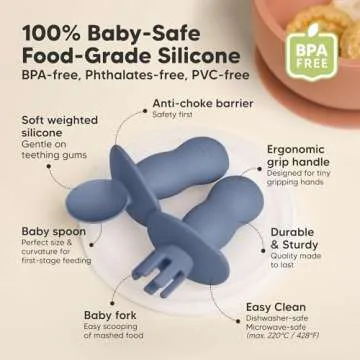
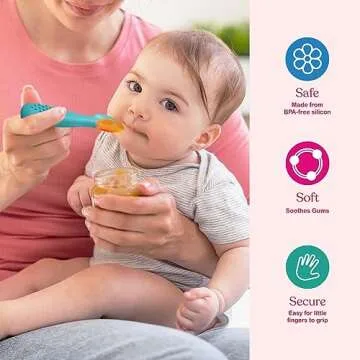
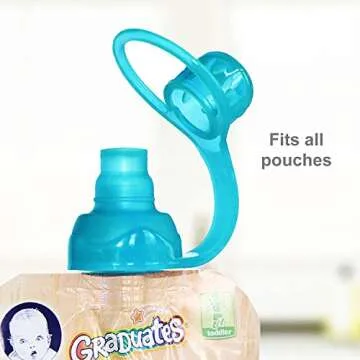
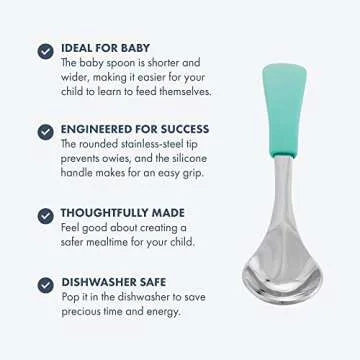
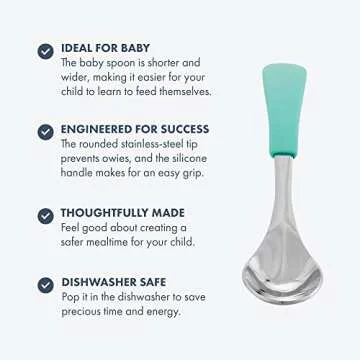
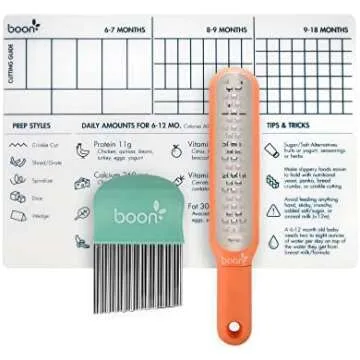
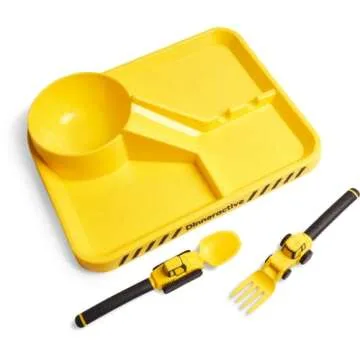
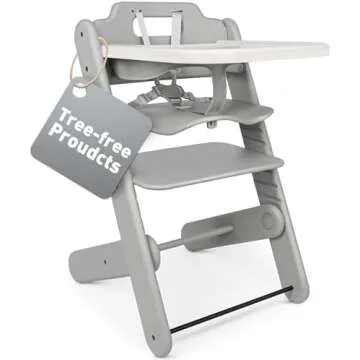
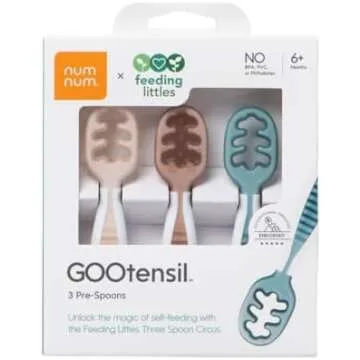
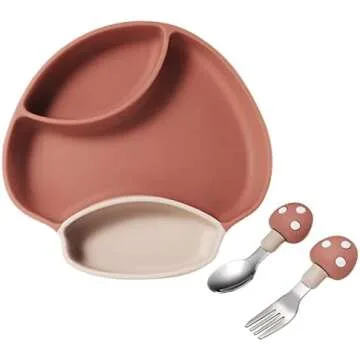
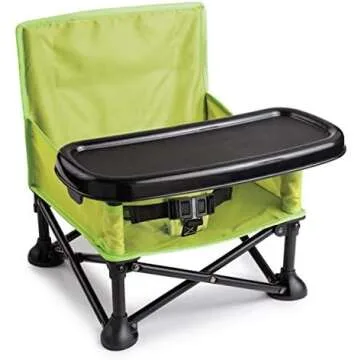
When it comes to solid feeding, having the right tools can make all the difference. Look for essential items like high chairs, bibs, spoons, plates, and containers for storage. Some popular brands renowned for their quality and functionality in feeding products include Beaba, OXO Tot, Infantino, and NUK. These brands offer unique features such as adjustable high chairs that grow with your child, silicone spoons that are gentle on delicate gums, and spill-proof plates designed to stay in place while your little one experiments with feeding themselves.
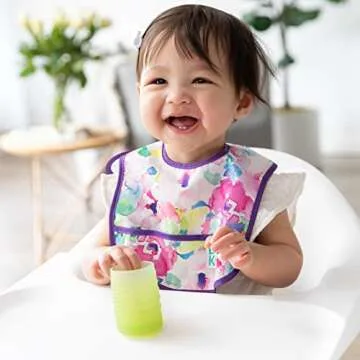
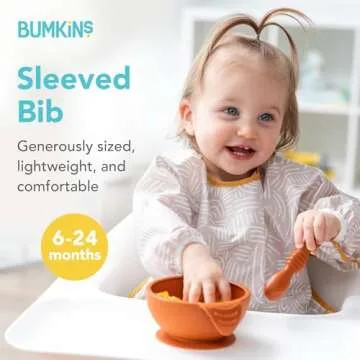
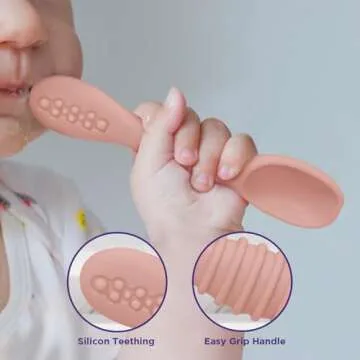
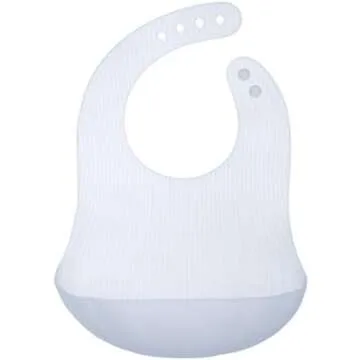
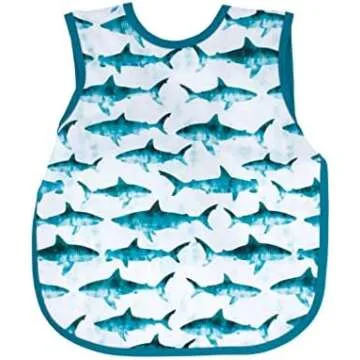
Using appropriate feeding tools not only makes mealtime easier but also safer for your baby. High chairs should provide good support and stability, ensuring your child is comfortable during meals. Moreover, bibs protect clothes from messes while being easy to clean. Also, consider investing in spoons with ergonomic designs that promote independent feeding as your baby develops motor skills. Finally, having airtight containers will help keep leftover purees fresh for the next meal, maintaining the quality of your foods.
Creating a Positive Feeding Experience
Establishing a positive feeding routine is crucial as your child transitions to solid foods. Make mealtimes interactive and fun—engage your baby by allowing them to explore their food with their hands before progressing to utensils. Creating a cozy and inviting atmosphere can also enhance this experience. Sit together as a family, offer a variety of textures and flavors, and share encouraging words or smiles to promote enthusiasm about trying new foods.
It's also beneficial to set a consistent meal schedule. Babies thrive on routine, and having regular feeding times can help them anticipate and enjoy solid food. Always be patient; some days they may devour everything, while on others, they might refuse to eat. This variation is completely normal! Stay attuned to your baby’s cues and allow them to dictate their pace during feeding, as this fosters a sense of autonomy and security.
Finally, for a wide variety of solid feeding tools and tips, consider visiting Giftpals.com. With their dedicated focus on thoughtful gifts and essentials for parents, you will discover quality products that enhance your baby’s feeding experience. By shopping at Giftpals, you gain access to curated recommendations that meet safety standards and practical needs, ensuring that your little one’s journey into solid foods is as smooth and joyful as possible.



 Continue with Google