


The Background of the 1953 Nuclear Test
The year 1953 marked a significant chapter in the history of nuclear testing, as the United States conducted a series of tests at the Nevada Test Site. This event was part of the ongoing arms race during the Cold War, where the US sought to establish its nuclear capabilities amidst rising tensions with the Soviet Union. The tests performed at this facility were critical for evaluating and developing advanced nuclear weapons, reflecting a period when nations believed that nuclear strength equated to global power.
Nuclear Developments Before 1953
Before the 1953 tests, the US had already conducted numerous nuclear explosions, including the famous Trinity Test in 1945. By the time the Nevada Test Site officially began operations in 1951, the US was determined to refine its nuclear arsenal. The tests in 1953 were particularly notable because they represented an escalation in the testing of thermonuclear weapons, paving the way for more complex devices.
The Nevada Test Site's Role
The Nevada Test Site, located 65 miles northwest of Las Vegas, became the primary testing area for the US nuclear program. Its remote location allowed for large-scale tests while minimizing direct risks to the public. In 1953, the US conducted multiple tests that included both atmospheric and underground explosions, showcasing advancements in design and yield.
Impacts of the 1953 Nuclear Test
The tests at the Nevada Test Site had far-reaching implications, not only for military strategy but also for international relations and environmental policy. These tests heightened fears around nuclear warfare and prompted a global discussion about disarmament, safety protocols, and the potential ramifications of nuclear fallout.
Military and Political Consequences
The successful tests in 1953 contributed to the US's confidence in its nuclear program and its position in the Cold War. They solidified the belief that possessing advanced nuclear weapons was essential for deterrence against potential aggressors, particularly the Soviet Union. This led to an expanded nuclear arms race that defined international relations for decades.
Environmental and Health Implications
The aftermath of these nuclear tests raised serious concerns regarding environmental health. While the US government often reassured the public of safety, the reality was far more complicated. Many residents in nearby areas expressed concerns over radiation exposure and its long-term effects on health and the environment, a topic that continues to resonate in discussions about nuclear testing even today.
Fun Fact
Did You Know?
One interesting fact about the 1953 nuclear tests is that they were among the first to use Hollywood-style public relations campaigns to portray a more favorable image of nuclear weapon innovations. This strategic approach aimed to influence public perception of nuclear testing as not only safe but also essential for national security.
Additional Resources
Recommended Reading on the 1953 Nuclear Test
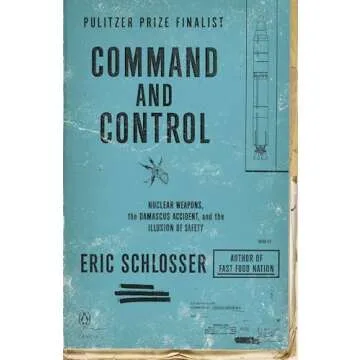
For those interested in learning more about the nuclear tests conducted in this era, consider reading "Command and Control" by Eric Schlosser, which provides a comprehensive overview of the complexities of nuclear weapons and testing. Another excellent resource is "The Making of the Atomic Bomb" by Richard Rhodes, which delves deeply into the historical context surrounding the development of nuclear weapons.












 Continue with Google