


The Context of the 1958 Atmospheric Nuclear Test
The year 1958 marked a significant chapter in the Cold War era, as the USSR conducted an atmospheric nuclear test that intensified the ongoing arms race between the superpowers. Following the devastation of World War II and the unfurling of nuclear capabilities, nations were rapidly advancing their military arsenals. The test signified not just a leap in technological warfare but also a display of power to the global community.
The 1958 Test: An Overview
On August 2, 1958, the Soviet Union conducted a series of tests at the Semipalatinsk Test Site, located in present-day Kazakhstan. This atmospheric test involved detonating a nuclear warhead, showcasing the USSR's advancements in nuclear technology. The operation drew international attention and stirred debates about the ethical implications of nuclear testing and its impact on the environment.
International Reactions to the Test
The United States and its allies reacted with alarm to the USSR's ongoing nuclear tests. It further fueled the arms race, prompting discussions on nuclear disarmament, which started gaining traction in the following years. The test was a pivotal moment that highlighted the risks associated with nuclear proliferation and the potential for catastrophic outcomes in a military confrontation.
Significance of the 1958 Nuclear Test
This nuclear test was not just a technical achievement but a stark reminder of the potential for devastation. It emphasized the need for global dialogue on controlling nuclear weapons and established a precedence for future treaties aimed at reducing nuclear arsenals.
The Cold War Tensions and Nuclear Tests
The 1958 test exemplified how nuclear capabilities could escalate geopolitical tensions during the Cold War. It illustrated the concept of Mutual Assured Destruction as nations pursued nuclear capabilities to deter opponents, raising ethical questions about the responsibility of nuclear powers.
Legacy of the 1958 Testing
The atmospheric tests conducted in 1958 shaped the strategies of future geopolitical negotiations. They eventually led to the Partial Nuclear Test Ban Treaty of 1963, which prohibited nuclear tests in the atmosphere, outer space, and underwater, which was a critical step towards nuclear disarmament.
Fun Fact
Did You Know?
Interestingly, the Semipalatinsk Test Site was the primary testing ground for the Soviet Union, where over 450 nuclear tests were conducted between 1949 and 1989, making it one of the most heavily tested areas on Earth.
Additional Resources
Recommended Reading on Nuclear Testing
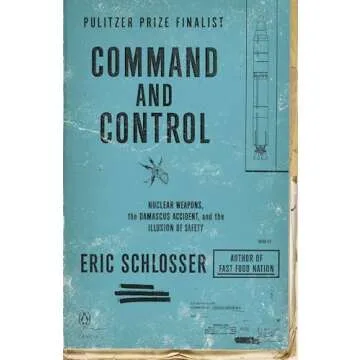
For those intrigued by the complex history of nuclear tests, consider reading The Making of the Atomic Bomb by Richard Rhodes, which provides an in-depth view of the atomic age, or Command and Control by Eric Schlosser, which discusses the management of nuclear weapons.








 Continue with Google