


Overview of the 1974 Soviet Nuclear Test
On August 30, 1974, the Soviet Union conducted a significant nuclear test at the Semipalatinsk Test Site located in northeast Kazakhstan. This event underscored the escalating arms race during the Cold War era, as nations like the USSR sought to demonstrate their military capabilities through advancements in nuclear technology. The Semipalatinsk site, known for its vast desert landscapes, became a focal point for Soviet nuclear trials, contributing to the context of global fears amid the nuclear arms race.
The Semipalatinsk Test Site
Established in 1949, the Semipalatinsk Test Site was the Soviet Union's primary location for nuclear weapons testing. Spanning over 18,500 square kilometers, it was used extensively for both atmospheric and underground tests. The site was selected for its remoteness, providing significant safety from the densely populated central areas of the USSR. The 1974 test was one among many, illustrating the extensive nuclear experimentation conducted by the Soviet Union during this period.
International Reactions to the Testing
The nuclear test on August 30, 1974, drew varied reactions globally. Many countries expressed concerns about the implications of continued nuclear tests, as they heightened tensions during a time of geopolitical instability. In the post-World War II context, nations were striving for arms control agreements, yet the Soviets' decision to conduct this test reinforced anxieties surrounding the Cold War dynamics.
The Impact of the 1974 Test on Nuclear Policy
The 1974 nuclear test at Semipalatinsk was pivotal in shaping the future of international nuclear policy. It advanced discussions regarding nuclear non-proliferation, eventually contributing to the establishment of various treaties aimed at reducing nuclear arsenals. The burgeoning awareness of the catastrophic consequences of nuclear war catalyzed global efforts to encourage disarmament.
Shaping Non-Proliferation Treaties
In the aftermath of the 1974 nuclear test, the significance of non-proliferation became increasingly evident. The Treaty on the Non-Proliferation of Nuclear Weapons (NPT), which was initiated in 1968, found renewed momentum as countries reevaluated their nuclear ambitions and sought frameworks to prevent proliferation. This alteration in mindset was partly a response to the heightened fears ignited by tests such as those at Semipalatinsk.
Environmental and Health Implications
The tests conducted at Semipalatinsk, including those in 1974, resulted in severe environmental and health repercussions for the nearby populations. Reports indicated increased incidences of cancer and other serious health issues among residents due to radiation exposure. This has led to ongoing debates regarding the ethical responsibilities of nuclear powers in conducting such tests.
Fun Fact
The Legacy of Semipalatinsk
Interestingly, the Semipalatinsk Test Site remained operational until 1991, conducting over 450 nuclear tests. Today, it stands as a poignant symbol of the challenges of managing nuclear weapons, as Kazakhstan has since declared the site a closed territory and advocates for global disarmament initiatives.
Additional Resources
Recommended Reading on Nuclear Tests
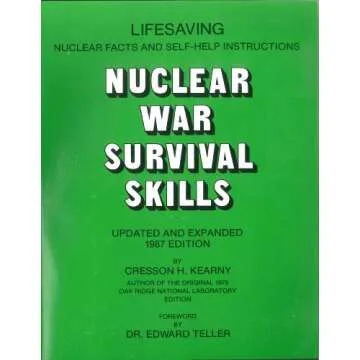
For those interested in exploring the topic further, consider reading "The Making of the Atomic Bomb" by Richard Rhodes, which provides exceptional insight into the history of nuclear development, or "Nuclear Weapons and the Strategy of Deterrence" by Professors William C. Potter and Gaukhar Kassenova, offering a comprehensive analysis of nuclear policy dynamics.












 Continue with Google