


The Historic Nuclear Test of 1975
On August 15, 1975, the Soviet Union conducted a significant nuclear test at the Semipalatinsk Test Site, located in northeast Kazakhstan. This event marked a pivotal moment in the history of nuclear proliferation during the Cold War era. The Semipalatinsk site was the primary testing ground for the Soviet Union's nuclear arsenal, with numerous tests occurring there since 1949.
The test was part of the USSR's ongoing efforts to expand and demonstrate its nuclear capabilities. It occurred during a period of intense rivalry between the United States and the Soviet Union, stressing the importance both nations placed on their stockpiles of nuclear weapons. Each test not only validated the existing technology but also showcased the respective nation’s scientific advancements in military technology.
The Semipalatinsk Test Site's Legacy
The Semipalatinsk Test Site, also known as the Polygon, spanned approximately 18,000 square kilometers and was used for numerous nuclear detonations, which profoundly affected the surrounding environment and population. The area became synonymous with the consequences of nuclear testing, leading to health issues among residents and severe ecological damage.
International Impacts of the 1975 Test
The test conducted on that August day was not just a display of military power but also influenced global geopolitics. Reactions from the international community were mixed, with many nations protesting nuclear tests and advocating for disarmament. This particular test contributed to discussions in arms control negotiations that would follow in subsequent years.
The Cold War Context
The 1975 nuclear test must be understood within the broader context of the Cold War. This period was marked by an arms race between superpowers, where both the United States and the USSR were keen on outpacing each other in nuclear capability.
The Development of Nuclear Capabilities
Since the first atomic bomb was dropped in 1945, both superpowers escalated their development of nuclear technologies. The USSR's tests, including the 1975 event, were crucial in establishing their deterrent strategy and ensuring they remained a formidable power on the global stage.
The Role of Semipalatinsk
Semipalatinsk played a crucial role in not only the Soviet nuclear program but also the global nuclear testing landscape. Its isolated location allowed for extensive testing away from the prying eyes of the world, and as a result, it became a significant site for numerous critical tests throughout the Cold War.
Fun Fact
The Number of Tests at Semipalatinsk
Between 1949 and 1989, the Semipalatinsk Test Site witnessed a staggering number of 456 nuclear tests. This figure highlights the site's importance in the Soviet nuclear strategy and demonstrates the extensive operations conducted there.
Additional Resources
Recommended Reading on Nuclear Testing
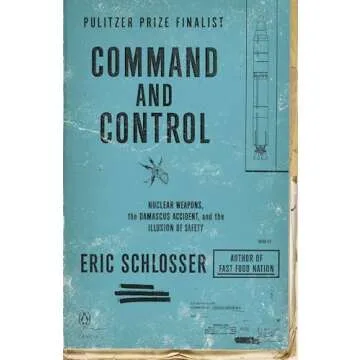
For those interested in learning more about the history of nuclear testing, consider exploring: “The Making of the Atomic Bomb” by Richard Rhodes, which gives an in-depth history of nuclear weapons development, and “Nuclear Ghosts: A Scout's Guide to the Ghosts of the Cold War” by A.E. Pritchard, focusing on the remnants of a nuclear age.










 Continue with Google