


Exploring the 1977 US Nuclear Test
The year 1977 was pivotal in the history of nuclear testing, particularly with the events surrounding the US nuclear test at the Nevada Test Site. Conducted on March 3, 1977, this test was part of a series of underground explosions aimed at maintaining the United States' nuclear arsenal. As a secretive and controversial subject, nuclear testing sparked debates regarding safety, environmental impact, and international relations.
Overview of the 1977 Nuclear Test
The 1977 test involved detonating a nuclear device underground, which meant that the explosion was tightly contained within the earth. This method reduced the amount of radioactive fallout that would escape into the atmosphere. These tests were part of a broader strategy during the Cold War, as the US aimed to showcase its military capabilities in response to Soviet actions. In the late 1970s, tensions between superpowers were high, making such tests critical for national security and signaling power.
The Nevada Test Site and Its Importance
Located about 65 miles northwest of Las Vegas, the Nevada Test Site (NTS) was established in the 1950s as the primary testing ground for nuclear weapons. The site would eventually become synonymous with American nuclear development. The test in 1977 marked one of the several detonations that would occur there, highlighting the significance of the NTS in US military history.
Impact of the 1977 Test and Nuclear Testing as a Whole
The 1977 nuclear test had far-reaching implications. Not only did it reinforce the US stance during the Cold War, but it also intensified worldwide debates on nuclear non-proliferation and disarmament. Humanitarian and environmental concerns led to calls for stricter controls over nuclear testing.
Environmental and Human Implications
Each nuclear test raised alarms about contamination and long-term health effects on local populations and the environment. Agencies, including the Environmental Protection Agency, began scrutinizing testing protocols, which led to increased public awareness and activism against such practices.
International Response and Future Treaties
The atmosphere of nuclear fear catalyzed the establishment of several international agreements aimed at curbing nuclear proliferation. The 1977 test was one of the last major detonations before a shift toward global discussions that ultimately led to treaties like the Comprehensive Nuclear-Test-Ban Treaty, aimed at banning all nuclear explosions.
Fun Fact
The Last Surface Nuclear Test in the US
Did you know that the 1977 test in Nevada marked one of the last primary surface nuclear tests in the US, shifting focus toward underground tests? This strategy significantly reduced visible contamination, albeit not without environmental concerns.
Additional Resources
Recommended Reading on Nuclear Testing
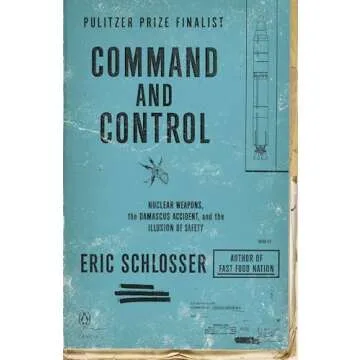
For those interested in exploring this subject further, consider reading "Nuclear Weapons: A Very Short Introduction" by Joseph M. Cirincione, which provides a compact overview of nuclear arsenals and the associated dangers. Another excellent resource is "Command and Control" by Eric Schlosser, which details the complexities and risks of US nuclear weapons management.







 Continue with Google