


The 1980 Nuclear Test: An Overview
On August 16, 1980, the Soviet Union conducted a significant nuclear test at the Semipalatinsk Test Site in northeast Kazakhstan. This event marked a crucial moment during the arms race of the Cold War, underscoring the strategic capabilities and military ambitions of the USSR. The Semipalatinsk Test Site was the primary location for Soviet nuclear tests, where a total of over 450 nuclear devices were detonated from 1949 until 1989, shaping the landscape of nuclear policy and international relations.
Background of the Semipalatinsk Test Site
The Semipalatinsk Test Site, also known as the "Polygon," is situated in a remote area of northeastern Kazakhstan, providing an isolated environment for nuclear experimentation. Established in 1947, it became the first Soviet nuclear testing facility, enabling extensive research and development of atomic weaponry. The choice of location was primarily due to its vast, unpopulated terrain, which minimized risk to civilian populations.
Significance of the 1980 Test
The test carried out in 1980 was part of the Soviet strategy to maintain a qualitative edge over the United States in nuclear capabilities. During this period, the arms race was characterized by the development of new technologies and delivery systems. The successful detonation demonstrated the USSR's commitment to nuclear deterrence, emphasizing its military power on a global scale.
The Global Impact of Nuclear Testing
The 1980 nuclear test had reverberating effects on both international relations and public opinion regarding nuclear weapons. It contributed to heightened tensions between the superpowers, particularly as global anti-nuclear movements gained momentum in the following years. As awareness of the risks associated with nuclear testing grew, countries around the world began to advocate for disarmament and arms control treaties.
International Reaction
The response to the Soviet test was swift, with various international leaders condemning the action. Many viewed it as a provocation amid ongoing talks about disarmament, particularly the Strategic Arms Limitation Talks (SALT) between the United States and the USSR. This further entrenched divisions during the Cold War.
Legacy of Nuclear Testing in Kazakhstan
Following the dissolution of the Soviet Union in 1991, Kazakhstan inherited the consequences of these nuclear tests. The impact on the local population and environment has been profound, leading to long-term health issues and a contaminated landscape. In 1994, Kazakhstan became the first country to renounce nuclear weapons, dismantling its stockpile and closing the Semipalatinsk Test Site as part of its commitment to non-proliferation.
Fun Fact
Semipalatinsk: From Testing Ground to Peace Initiative
Remarkably, the Semipalatinsk Test Site, once a hub of nuclear testing, is now a symbol of peace and disarmament. The territory has been repurposed into an area promoting environmental restoration and education about the dangers of nuclear proliferation.
Additional Resources
Recommended Reading on Nuclear Testing
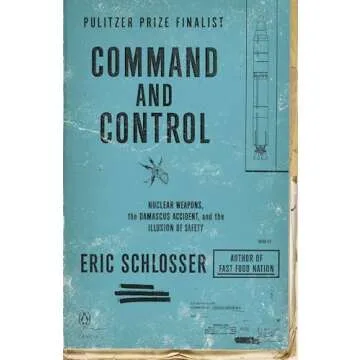
For those interested in diving deeper into the history of nuclear tests, noteworthy readings include The Making of the Atomic Bomb by Richard Rhodes and Command and Control by Eric Schlosser, both of which offer insightful perspectives on nuclear weapons development and its global impact.











 Continue with Google