


Overview of the 1981 USSR Nuclear Test
Semipalatinsk Test Site: Background
The Semipalatinsk Test Site, located in northeast Kazakhstan, was the primary testing ground for the Soviet Union's nuclear weapons program. Established in the late 1940s, it became a site for numerous nuclear tests and experiments. On December 20, 1981, the USSR conducted another significant test at this site, contributing further to the arms race during the Cold War.
Significance of the 1981 Test
This particular nuclear test held weight not only in terms of military capability but also in the geopolitical landscape. It underscored the USSR's ongoing commitment to advancing its nuclear arsenal amidst growing tensions between superpowers. The test was a stark reminder of the potential for devastating conflict that always loomed during the Cold War era.
The Cold War Context
Nuclear Arms Race in the 1980s
The early 1980s marked a critical period in the nuclear arms race, as both the United States and the Soviet Union engaged in extensive military buildup. The testing at Semipalatinsk exemplified the Soviet endeavor to match or exceed Western nuclear capabilities, crucially influencing international relations and military strategies.
Environmental and Health Consequences
The implications of nuclear testing were far-reaching, affecting the health of local populations and the environment around Semipalatinsk. Communities suffered from various health issues attributed to radiation exposure, leading to long-lasting impacts on the region. Environmental degradation became a pressing issue as the series of nuclear tests continued.
Fun Fact
The Impact on Nuclear Policy
Despite the extensive nuclear tests carried out, the global conversation around nuclear disarmament gained momentum in the 1980s, eventually leading to treaties aimed at reducing nuclear stockpiles, showcasing a global shift in perspective even during an era fraught with tension.
Additional Resources
Recommended Reading on Nuclear Testing
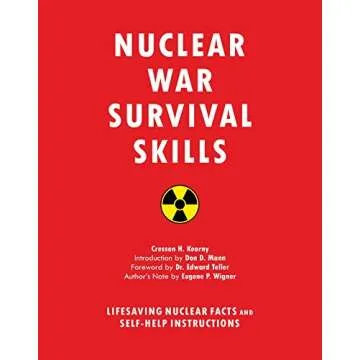
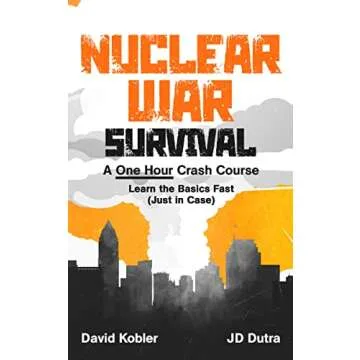
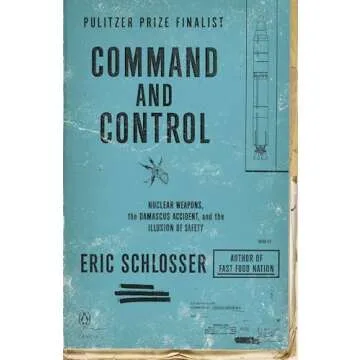
For those interested in learning more about nuclear testing, I recommend books such as "The Making of the Atomic Bomb" by Richard Rhodes, and "Nuclear Weapons: A Very Short Introduction" by Joseph M. Siracusa, which provide deep insights into the history and implications of nuclear weapons.







 Continue with Google