


France's Nuclear Ambitions in 1982
On September 21, 1982, France conducted a significant nuclear test in the South Pacific, marking a pivotal moment in its military history. This event was part of France's continued commitment to maintaining a powerful nuclear deterrent during the Cold War. The test, which was under tight security, showcased France's advanced nuclear technology and underscored its position as a key player in global nuclear politics.
The Decision Behind the Test
The decision to perform the nuclear test was fueled by France's desire to solidify its status as a dominant military force. Under President François Mitterrand's administration, France aimed to develop an independent nuclear strategy distinct from the United States and the Soviet Union. This test was seen as a means to ensure national security and bolster France's influence internationally.
The Location and Method of Testing
The nuclear test was executed at the Mururoa Atoll, located in French Polynesia. This remote location allowed France to conduct tests away from the eyes of the international community while minimizing the immediate impact on populated areas. The method implemented was an underground nuclear detonation, which helped to contain the fallout within the test site.
International Reactions and Controversies
The 1982 nuclear test prompted global reactions, stirring debate and protests worldwide. Activists and environmentalists expressed concern about the ecological and health impacts of nuclear testing, calling for disarmament and a halt to such military exercises.
Domestic and Global Protests Against Nuclear Testing
In France, many citizens protested against the government's nuclear policies, leading to a significant grassroots movement advocating for nuclear disarmament. Globally, nations such as New Zealand and Australia condemned the test, further straining diplomatic relations in the region.
Impact on Nuclear Non-Proliferation Efforts
The test raised questions about the efficacy of international nuclear non-proliferation efforts. As countries signed treaties to limit nuclear arms, France's actions seemed to contradict these commitments, leading to increased calls for stricter regulations and accountability among nuclear powers.
Fun Fact
Innovative Nuclear Developments in France
Despite international criticism, France continued to develop its nuclear capabilities, and by the end of the 1980s, it had successfully conducted multiple tests, consolidating its status as a nuclear power.
Additional Resources
Recommended Reading on France's Nuclear Policy
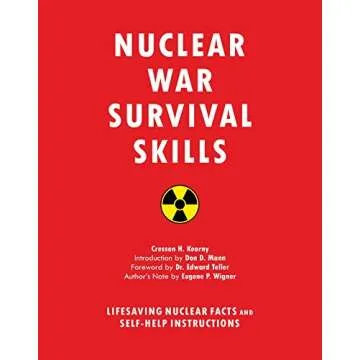
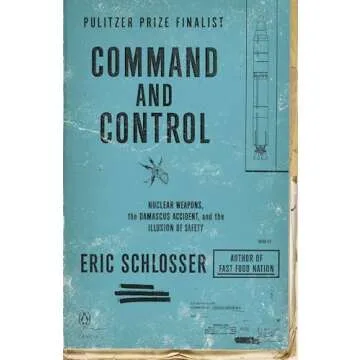
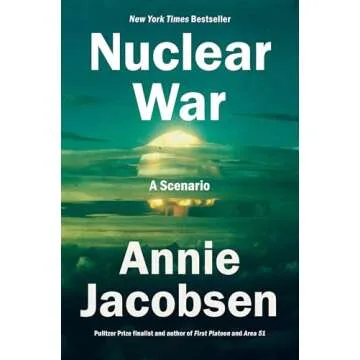
For those interested in the broader implications of France's nuclear tests, *The Nuclear Experience: The Atomic Bomb and Cold War Narratives* by *Joseph Lerner* and *Heidi E. McGinty* provides an in-depth understanding of the narratives surrounding nuclear warfare during the Cold War era.










 Continue with Google