


The 1985 US Nuclear Test: A Pivotal Moment in Cold War History
The 1985 nuclear test conducted by the United States at the Nevada Test Site represented a significant moment during the Cold War era, illustrating the ongoing rivalry between nuclear powers and the complexities of global security dynamics. This test was part of a series of underground nuclear tests aimed at ensuring the effectiveness of the U.S. nuclear arsenal. The test on September 3, 1985, known as "Code Name: Topsy-4," was met with both approval and condemnation, highlighting the contentious debates over nuclear weapons.
The decision to proceed with this test was influenced by the need to validate new nuclear weapons technologies while adhering to internal political pressures and the overarching strategy of deterrence against the Soviet Union. As the arms race intensified, so did the urgency for the U.S. to maintain a credible nuclear deterrent.
The Cold War Context of the Nuclear Test
During the 1980s, the Cold War was characterized by escalating tensions between the United States and the Soviet Union. Both nations were engaged in a relentless arms race, showcasing their nuclear capabilities to deter aggression. The Nevada Test Site became a crucial location for the U.S. to conduct tests that shaped its nuclear strategy. The Topsy-4 test offered valuable data on yield and effectiveness, critical for the U.S. to sustain its deterrence capabilities against perceived threats.
Scientific Innovations and Nuclear Developments
The Topsy-4 test was not just a demonstration of military power; it also embodied the scientific innovations in nuclear weaponry. By this time, advancements in technology were allowing for more sophisticated designs, which promised a greater yield from smaller warheads. This efficiency was crucial to the U.S.'s strategic nuclear posture and its ability to deliver these weapons effectively without excessive stockpiling.
International Reaction and Implications
The international community had mixed reactions to the U.S. nuclear test in 1985. On one hand, it reaffirmed the U.S. commitment to its nuclear arsenal; on the other hand, it intensified criticism from anti-nuclear activists and countries advocating for disarmament. The continued testing was seen as a provocative measure that could escalate tensions further.
Responses from Advocacy Groups
Following the Topsy-4 test, numerous advocacy groups rallied for nuclear disarmament, highlighting the risks to global security and the ethical ramifications of nuclear testing. Organizations such as the Campaign for Nuclear Disarmament and various grassroots movements organized protests, emphasizing the need for peace and security without reliance on nuclear weapons.
The Impact on Nuclear Policy
The consequences of the U.S. nuclear tests, including Topsy-4, informed future arms control treaties. The Strategic Arms Reduction Talks (START) and later the Comprehensive Nuclear-Test-Ban Treaty (CTBT) were direct responses to the need for more stable arms control measures, influenced by the ongoing testing practices and their worldwide ramifications.
Fun Fact
Topsy-4: An Innovation in Nuclear Testing
The Topsy-4 test was significant not only for its destructive power but also because it utilized advancements in technology to execute an underground explosion, minimizing atmospheric fallout and public scrutiny. This was a testament to the U.S. efforts in refining nuclear warfare techniques while addressing environmental concerns.
Additional Resources
Recommended Reading on Nuclear Testing
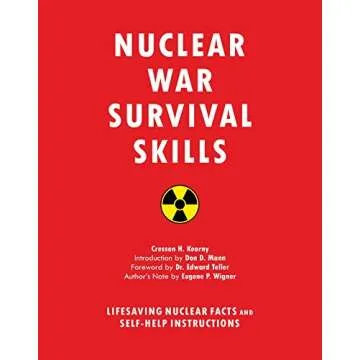
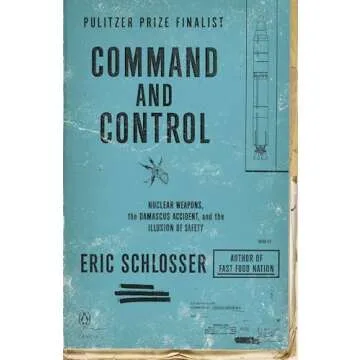
For those interested in exploring this topic further, we recommend these insightful books: "Nuclear Weapons: A Very Short Introduction" by Joseph Cirincione and "The Making of the Atomic Bomb" by Richard Rhodes. Both provide comprehensive insights into the history and implications of nuclear weapons testing.




 Continue with Google