


Historical Background of Yonkers' Segregation
Understanding Segregation in Yonkers
In the early 1980s, the city of Yonkers, New York, faced significant scrutiny regarding its practices of racial segregation in both housing and education. This systemic issue had deep roots, with the city's policies and practices leading to racial discrimination that disproportionately affected minority communities.
The Role of the US Justice Department
The United States Justice Department became involved in this case, asserting that racial discrimination was entrenched in Yonkers' housing policies. The department's intervention highlighted the broader implications of such practices on societal equality, leading to increased legal scrutiny.
The 1985 Court Ruling
The Court's Findings on Segregation
On March 12, 1985, the court found that Yonkers had been guilty of purposeful segregation in its public schools and housing projects. The ruling was significant as it affirmed the existence of systemic racism and discriminatory practices within the local government.
Implications of the Verdict
This landmark decision mandated that Yonkers adopt measures to dismantle these discriminatory practices, promoting integration and equal opportunity in housing and education. The ruling had a profound impact on the community, pushing for reforms aimed at achieving racial equality.
Aftermath of the Segregation Ruling
Efforts Towards Integration
Following the verdict, Yonkers embarked on a challenging journey towards implementing the court's order. Efforts included creating new housing developments that were less discriminatory and remodeling schools to ensure desegregation.
Enduring Challenges Post-Ruling
Despite the 1985 ruling, Yonkers continued to face resistance and challenges in fully realizing goals of integration and equality. The case remained a watershed moment in the civil rights movement, illustrating the ongoing struggle against structural racism.
Fun Fact
A Unique Legacy of the Yonkers Decision
The Yonkers case was pivotal not just for the city itself but also set an important precedent for other communities facing similar challenges, showing how legal actions could be a tool for enacting social change.
Additional Resources
Recommended Reading on Segregation and Civil Rights
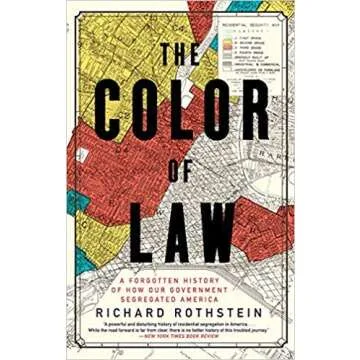
For further exploration of this topic, consider reading The Color of Law by Richard Rothstein and Segregation: A History of American Separation by Andrew J. Diamond. These works provide deeper insights into the systemic issues of segregation in American society.




 Continue with Google