


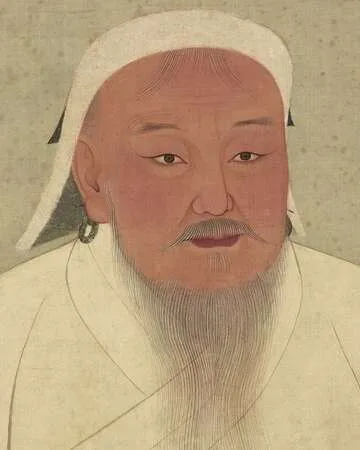
The Event: Genghis Khan Meets Changchun
In the year 1222, a significant encounter took place in the ancient lands of Parwan, which is in present-day Afghanistan. The dominant Mongolian leader, Genghis Khan, known for his military prowess and nation-building ambitions, met with Changchun, an esteemed leader of the Taoist Dragon Gate sect. This meeting was not just a casual assembly; it represented the confluence of two powerful forces - Genghis Khan’s burgeoning empire and the rich spiritual lineage of Taoism.
During this period, Genghis Khan was on his expansive campaign to the west, consolidating territories and fostering diplomatic relationships to ensure stability within his growing empire. The meeting with Changchun was critical, as it highlighted the Mongol's interest in understanding foreign philosophies and integrating various cultural elements into their governance.
Genghis Khan's Vision
As a leader and military strategist, Genghis Khan was not only concerned with conquest but also with establishing a lasting legacy through culture and governance. His dialogue with Changchun reflected his openness to wisdom beyond the battlefield. Khan sought to learn about the ways of leadership, ethics, and spirituality, which were crucial for unifying and ruling diverse populations across his vast empire.
Changchun's Role
Changchun, who practiced Taoist teachings, was regarded as a man of great knowledge and wisdom. His presence at Genghis Khan's camp indicated a potential alliance that could marry the spiritual insights of Taoism with the pragmatic approaches of Mongolian leadership. During their meeting, it is said that Changchun discussed the balance of material power and spiritual cultivation, an exchange that could resonate through centuries.
The Impact of Their Meeting
The meeting between Genghis Khan and Changchun may seem brief yet it had significant implications. It represented an era where cultural exchanges began to occur, not just military engagements. This meeting sowed seeds for future interactions between Mongolic tribes and various religious philosophies, paving the way for greater tolerance and understanding in the region.
Cultural Exchange
This encounter gave rise to a durable interest in the teachings of Taoism among certain Mongol leaders, influencing their governance styles. The philosophy of Taoism, emphasizing harmony, humility, and natural order, provided a contrasting viewpoint to the militaristic strategy of conquest. Such exchanges contributed to a more nuanced understanding of power and leadership.
Legacy of Genghis Khan's Diplomacy
The importance of Genghis Khan's willingness to engage with leaders like Changchun is evident in the legacy he left behind. By marrying military might with diplomacy, he laid the groundwork for what would become one of the largest empires in history. This blend of respect for local cultures while maintaining a robust army allowed his empire to flourish.
Fun Fact
Changchun's Interesting Fact
Changchun was known for his ascetic lifestyle, which stood in stark contrast to the opulent life often associated with political leaders of his time. He reportedly traveled extensively, seeking knowledge and spiritual enlightenment, which he shared during his meeting with Genghis Khan.
Additional Resources
Recommended Reading on Genghis Khan and Changchun
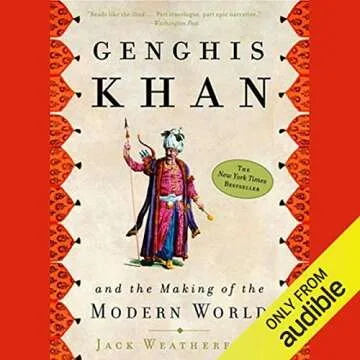
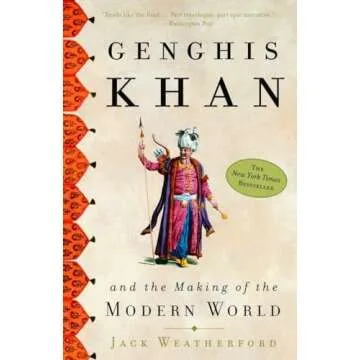
For those interested in diving deeper into the lives of these remarkable figures, consider exploring The Mongol Art of War and Genghis Khan and the Making of the Modern World. These works provide a fascinating insight into the complexities of Khan's life and the cultural exchanges during his rule.




 Continue with Google