


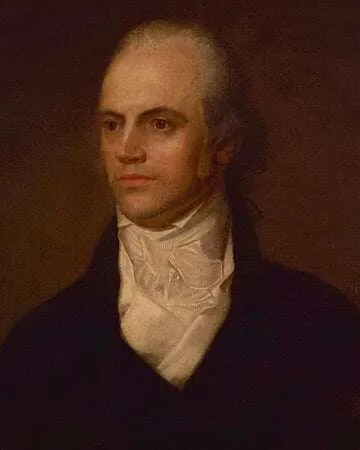
The Dramatic Trial of Aaron Burr
In 1807, the United States was embroiled in political tensions, and few events captured the public's attention like the trial of Aaron Burr. Burr, a former Vice President under Thomas Jefferson, faced serious accusations of treason. The charges revolved around his alleged conspiracy to create an independent empire in the western territories. This trial not only highlighted the contentious political climate of the time but also set a significant precedent for the legal definition of treason in the United States.
The Charges Against Aaron Burr
The specific charges against Burr were based on suspicions that he intended to take control of parts of the American southwest and possibly Mexico. The legal framework for treason was tightly defined under the Constitution, requiring the testimony of two witnesses to the same overt act. Burr's defense team argued that the prosecution failed to meet this stringent standard, pointing to the lack of substantial evidence that Burr had committed any act of treason.
The Role of Chief Justice John Marshall
Chief Justice John Marshall presided over the trial, bringing a level of judicial integrity and respect that would shape the proceedings. Marshall’s commitment to justice and fair trial principles became evident as he navigated through the politically charged atmosphere. His decisions during the trial underscored the importance of maintaining judicial independence despite public pressure to convict Burr.
The Outcome and Its Implications
After a lengthy trial filled with dramatic testimonies and legal maneuvering, Burr was acquitted of the treason charges in September 1807. This verdict was pivotal not only for Burr's life but also for the legal landscape of the nation. It reinforced the high standards needed for treason convictions, highlighting the balance of power and the protection of individual liberties even amid political strife.
Public Reaction to the Verdict
The acquittal was met with mixed reactions across the country. Supporters of Burr celebrated, viewing him as a victim of political persecution, while his opponents felt betrayed by the judicial system. The trial and its outcome significantly affected Burr’s reputation and political future, leading him into relative obscurity in the years that followed.
The Legacy of the Burr Trial
The Burr treason trial had a lasting impact on American law, particularly in defining what constituted treasonous actions. Furthermore, it opened discussions about the political motives behind prosecutions and the risks of using treason as a tool against political adversaries. Even today, the trial serves as a critical lesson in the importance of due process and the safeguards required to protect individuals against wrongful accusations.
Fun Fact
Aaron Burr's Surprising Insight
Despite his controversial legacy, Aaron Burr was known for being an articulate and intelligent figure. He was educated at Princeton University and played a significant role in the founding of the United States, including participating in the duel that resulted in the death of Alexander Hamilton.
Additional Resources
Recommended Reading on Aaron Burr
For those interested in exploring more about this intriguing character and the political landscape of his time, consider reading Aaron Burr: Conspiracy to Treason by Milton Lomask or Aaron Burr: A Biography by Harlow Giles Unger. These works provide in-depth looks into not only Burr’s life but also the era of early American politics.







 Continue with Google