


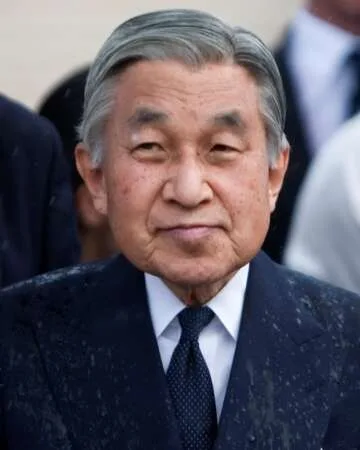
The Ascension of Emperor Akihito
On January 7, 1989, Japan entered a profound chapter in its history as Akihito ascended the Chrysanthemum Throne, becoming the 125th Emperor of Japan. This monumental event followed the death of his father, Emperor Hirohito, who had reigned for an impressive 62 years. Akihito's ascension was not only a significant moment for the imperial family but also a pivotal time for the nation, marking the transition from the Shōwa era (Hirohito's reign) to the Heisei era.
Emperor Akihito's Early Years
Born on December 23, 1933, Akihito was the eldest son of Emperor Hirohito and Empress Nagako. Raised as the crown prince, he had a unique upbringing during a time of rapid change in Japan. He witnessed Japan's militaristic past during World War II and the subsequent transition to a peaceful nation focused on rebuilding and modernization. His education, both in Japan and overseas, shaped his worldview, embedding in him a strong sense of duty and empathy.
The Symbol of the Japanese People
As Emperor, Akihito took on a role vastly different from his father's. He embraced a constitutionally defined responsibility as a symbol of the state and the unity of the Japanese people. He focused on promoting peace, cultural understanding, and addressing social issues, earning him immense respect and love from the public. His frequent visits to disaster-stricken areas and expressions of solidarity showcased his compassionate approach to leadership.
The Heisei Era Begins
With Emperor Akihito's proclamation, the Heisei era commenced. It was characterized by various challenges, including economic fluctuations, natural disasters, and societal changes. His reign marked a time when the imperial family became more accessible, reflecting the evolving expectations of the Japanese monarchy. Akihito's dedication to his role provided comfort to many and fostered a sense of continuity amidst Japan's progress.
Emperor Akihito's Influence on Japanese Society
Throughout his reign, Akihito and Empress Michiko became central figures in Japanese cultural and social life. Their efforts in promoting traditional arts, education, and international relations were significant. The Emperor often spoke openly about the importance of coming to terms with Japan's past, advocating for peace and reconciliation as vital components of contemporary Japanese identity.
The Legacy of Emperor Akihito
As Akihito navigated the duties of the throne, he crafted a legacy of empathy, peace, and humility. His abdication in 2019 marked the first time in over two centuries that a Japanese Emperor stepped down from the throne, a testament to his commitment to his people and the careful consideration of the future of the imperial family. His impact on Japan remains profound, shaping its cultural consciousness for generations to come.
Fun Fact
Akihito's Passion for Biology
Emperor Akihito is not just a respected monarch but also a passionate biologist. His interest in marine biology led to significant research on Japanese fish species, illustrating his dedication to both science and nature.
Additional Resources
Recommended Reading on Emperor Akihito
For those wishing to delve deeper into the life and legacy of Emperor Akihito, consider reading "Emperor Akihito: A Life of Service" and "The History of the Imperial Family in Japan". These books provide rich insights into his reign and Japan's monarchy.











 Continue with Google