


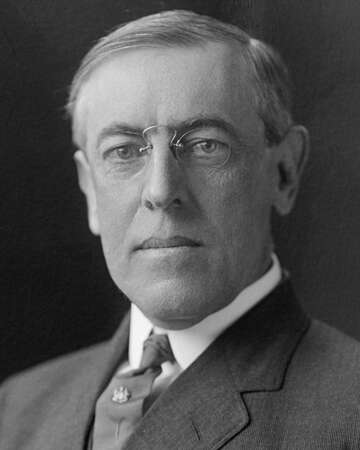
The Allies' Response to Wilson's 1917 Peace Proposal
In December 1916, US President Woodrow Wilson crafted a peace note that aimed to bring an end to World War I, a conflict that had engulfed Europe since 1914 and caused massive loss of life and resources. In early 1917, the response from the Allied Governments—which primarily included nations such as Great Britain, France, and Russia—came in the form of a detailed set of terms for peace. This diplomatic exchange highlighted the complexities associated with ending a war that had deeply entrenched political and national interests.
The Significance of Wilson’s Proposal
Wilson's note proposed that the warring nations reach a settlement based on mutual understanding, and emphasized the need for transparency and diplomacy rather than secret treaties. He called for an end to all forms of aggression and sought to establish lasting peace through democratic principles. His ideals appealed to a war-weary world, yet the realities of the conflict on the ground made immediate reconciliation challenging.
Allied Terms for Peace
The Allied Powers responded to Wilson’s overtures by outlining their conditions for peace, which predominantly aimed at ensuring their security and the need to address grievances suffered during the war. Their terms included the necessity for the Central Powers to withdraw from occupied territories, reparation for damages caused, and accountability for the war crimes committed during the conflict. This response emphasized that peace could only be considered if these conditions were met, showcasing their determination to emerge from the war with their national integrity intact.
The Impact on World Diplomacy
The exchange between Wilson and the Allies marked a pivotal moment in World War I diplomacy, further widening the gap between the perspectives of the United States and the European powers. While Wilson sought a peace built on negotiation and fairness, the Allies remained resolute in their terms, believing that a strong stance was necessary to deter future aggression.
America’s Role in the Great War
At this juncture, America had not yet entered the war. Wilson's efforts to mediate peace were noble, yet they underscored the growing realization that the US would soon have to take a more active role in the conflict. The dissatisfaction of the Allies with Wilson’s proposal set the stage for America's eventual engagement, influencing the dynamics of international relations in the years that followed.
The Start of Changing Alliances
This moment also foreshadowed a shift in alliances. As the war progressed and the Allies faced increasing pressure, factions within these countries began to reassess their positions and partnerships. The response to Wilson illustrated the shifting tides of wartime diplomacy, leading to new strategies and alignments as the conflict continued to evolve.
Fun Fact
Did Woodrow Wilson Want Peace?
Despite his efforts for peace, Wilson faced intense criticism from both sides. Some accused him of naivety, while others felt that his proposals were unyielding in the face of ongoing warfare. Ultimately, Wilson's vision for a League of Nations would only come to fruition after his country entered the war and played a crucial role in its conclusion.
Additional Resources
Recommended Reading on World War I Diplomacy
For those interested in delving deeper into this pivotal moment in history, consider exploring The Sleepwalkers: How Europe Went to War in 1914 by Christopher Clark, which provides insight into the complex political landscape of pre-war Europe, or Woodrow Wilson: A Biography by John Milton Cooper Jr., which offers a comprehensive look at Wilson's presidency and his foreign policy endeavors.







 Continue with Google