


Benjamin Banneker's Stance Against Slavery
In 1791, a pivotal moment in American history occurred when Benjamin Banneker, a free African American mathematician and astronomer, took a bold step to confront one of the Founding Fathers, Thomas Jefferson, regarding the issue of slavery. Banneker, known for his intelligence and contributions to science, seized the opportunity to address Jefferson in a personal letter that would challenge the conflicting ideals present in the nation’s founding documents.
Banneker's Almanac and Its Purpose
Banneker sent a copy of his almanac along with his letter, showcasing not only his scientific achievements but also his desire to be recognized as an equal citizen. The almanac included data such as weather predictions and celestial events, which highlighted Banneker’s intellectual capacity. This act represented more than just a scientific endeavor; it was a declaration of his self-worth and a call for justice.
The Letter: A Challenge to Jefferson
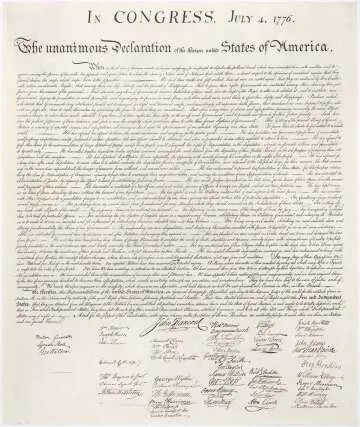
In his letter to Jefferson, Banneker eloquently challenged Jefferson’s pro-slavery stance, drawing parallels between the plight of African Americans and the very principles of liberty that Jefferson himself championed in the Declaration of Independence. Banneker urged Jefferson to reconsider the moral implications of slavery, arguing that it was inconsistent with the ideals of freedom for all men. His articulation of the necessity for equality was a profound reminder of the hypocrisy inherent in American society at the time.
The Legacy of Banneker's Address
Banneker's correspondence with Jefferson is often viewed as a significant moment in the early advocacy for African American rights. His letter not only reached Jefferson but also served as an inspiration for future generations who fought against slavery and for civil rights. Through his boldness, Banneker set a precedent for others to voice their demands for equality and justice.
Impact of Banneker's Letter
Although Jefferson’s response to Banneker's letter was not one of immediate change, it marked a historic engagement between an African American and a leading figure of the American Revolution. Banneker's articulate expression of desire for freedom reflected a growing sentiment that would continue to resonate in the abolitionist movements that followed.
Broader Context of the Period
During a time when the United States was grappling with its identity post-independence, Banneker’s letter became part of a larger discourse on human rights and societal change. His writings contributed to a foundational understanding that liberty should extend beyond race and class, emphasizing the need for a truly inclusive society.
Fun Fact
Banneker's Interesting Fact
Many do not know that Benjamin Banneker was also instrumental in the survey of the land that would become Washington D.C., showcasing his influence not only in the realm of letters but also in the very geography of the nation.
Additional Resources
Recommended Reading on Benjamin Banneker
For those interested in exploring more about this remarkable figure, consider reading "The Life of Benjamin Banneker" by Joshua M. Smith or "Benjamin Banneker: Scientist and Storyteller" by Patricia C. McKissack. These works delve deeper into Banneker's life, his works, and his lasting impact on American history.











 Continue with Google