


The Historic Battle of Naulochus in 36 BC
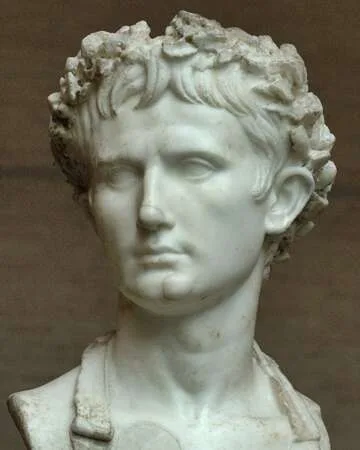
The Battle of Naulochus, fought in 36 BC, marked a crucial turning point in the power struggle of ancient Rome. In this fierce naval battle, the forces of Marcus Vipsanius Agrippa, who served as the admiral under Octavian (later known as Augustus), faced off against the fleet commanded by Sextus Pompeius, the son of the late General Pompey the Great. This clash was pivotal in extinguishing the remnants of the Pompeian cause and solidifying Octavian's grip over Rome.
Admiral Agrippa: The Strategic Mind Behind the Victory
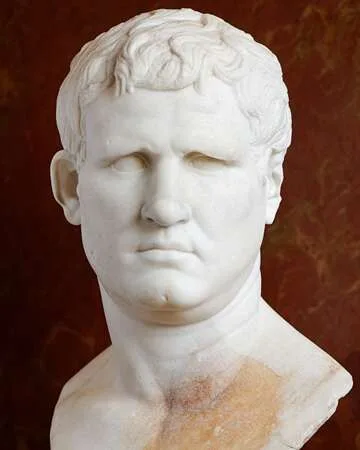
Marcus Vipsanius Agrippa was not only a skilled military commander but also a close ally and friend of Octavian. His strategic prowess was crucial in the preparation for the battle, as he redesigned the Roman naval forces to adapt to the coastal warfare around Sicily, where the battle took place. Agrippa's innovative tactics and adept handling of his fleet played a significant role in securing a decisive victory against Pompey's forces.
Sextus Pompeius: The Last Stand for the Pompeians
Sextus Pompeius, son of the famous General Pompey, had continued his father's legacy by challenging the rule of Octavian and the other triumvirs. By controlling Sicily, he threatened Rome's grain supply and maintained a reputable naval force. Nevertheless, his defeat at Naulochus meant the end of organized resistance to the Second Triumvirate, effectively ending a significant chapter in Roman civil strife.
The Aftermath of the Battle
Following the victory at Naulochus, Octavian's influence within Rome significantly increased. Agrippa's triumph not only dismantled Pompeian resistance but also paved the way for Octavian's eventual rise to sole power. With his enemies vanquished, Octavian consolidated control over the Roman territories, leading to the establishment of a period of relative peace known as the Roman Peace, or Pax Romana.
The Impact of Agrippa's Leadership
Agrippa's successful strategies during the Battle of Naulochus solidified his reputation as one of Rome's greatest commanders, renowned for his naval tactics. His administrative skills and military acumen ultimately helped lay the foundation for the Roman Empire during the early days of Augustus's rule.
The End of Pompeian Power
The conclusion of the battle heralded the effective end of the Pompeian faction. With their naval capabilities dismantled and territories lost, remnants of Pompey's supporters could no longer pose a serious threat to Octavian's ambitions. This would lead to an era where Octavian could focus on restructuring and stabilizing Rome.
Fun Fact
Agrippa’s Interesting Fact
Beyond his military conquests, Marcus Vipsanius Agrippa is credited with constructing the famous Pantheon in Rome, which remains one of the best-preserved monuments of ancient Rome.
Additional Resources
Recommended Reading on Marcus Vipsanius Agrippa
For those interested in further exploring this extraordinary figure and the events surrounding the Battle of Naulochus, consider reading "The Twelve Caesars" by Suetonius, and "The Rise of Rome" by Anthony Everitt. Both texts provide engaging insights into the politics and personalities of the era.





 Continue with Google