


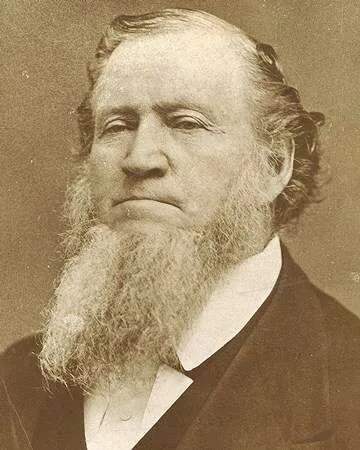
The Rise of Brigham Young as a Leader
In the turbulent year of 1844, the Mormon community faced a significant transition as they mourned the loss of their founding prophet, Joseph Smith. Following the tragic assassination of Smith in June of that year, the Church of Jesus Christ of Latter-day Saints found itself at a crossroads. The question on everyone's mind was, 'Who would take the reins of this growing faith?' Enter Brigham Young, a man whose leadership would shape the future of the Mormons.
Brigham Young's Ascension
Brigham Young was named the second president of the Church on August 8, 1844. Known for his charisma and determination, Young had been a close associate of Smith and had played key roles in the early church's development. His selection was not just a matter of succession; it symbolized stability and continuity for a community that faced external persecution and internal strife. Young's leadership was crucial in cementing the faith's practices and beliefs during a chaotic time.
The Challenges Faced by Young
With Young at the helm, the church faced numerous challenges, including the need for a new home where Mormons could practice their faith freely. Young's resolve led him to guide the community toward the Rocky Mountains, where they would eventually settle in the valley that would become Salt Lake City. His leadership was essential in fostering hope and resilience among the Mormons as they sought to build their sanctuary far from their previous persecution.
Brigham Young's Lasting Impact
The importance of Brigham Young's leadership cannot be overstated. Under his guidance, the church not only survived but flourished. Young established a thriving community characterized by self-reliance, agriculture, and an unwavering commitment to the tenets of their faith.
Achievements of Brigham Young
Young orchestrated the migration of thousands of Mormons to the West, creating a robust settlement framework. He is credited with founding over 300 settlements, teaching the principles of cooperation and communal living, which were critical to their economic success. His vision also significantly influenced the social and educational structures within the Utah territory.
Controversies Surrounding Young’s Leadership
While Young's tenure had many successes, it was also marked by controversies, notably his administration's stance on polygamy. As a practice that became synonymous with the Mormon faith, this stirred significant debate both within and outside of the church. Young staunchly defended polygamy, believing it was a divine commandment, which led to further scrutiny and tension with federal authorities.
Fun Fact
Brigham Young’s Interesting Fact
Brigham Young was a pioneer not just in a spiritual sense but also in agriculture. He encouraged the cultivation of diverse crops, leading initiatives that transformed the desert into fertile land, thereby establishing Utah as a vital agricultural region.
Additional Resources
Recommended Reading on Brigham Young
To explore more about this influential leader and the history of the LDS Church, consider reading “Brigham Young: Pioneer Prophet” and “The Mormon Pioneer Trail” for a comprehensive understanding.











 Continue with Google