



Understanding Britain's War Debt of 1923
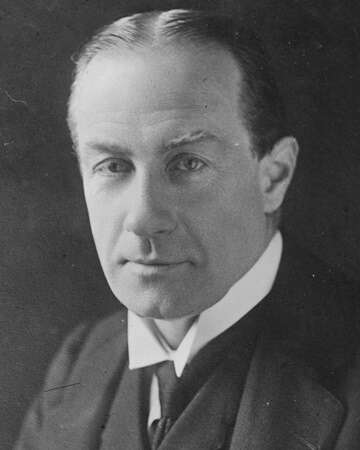
In the wake of World War I, Britain found itself burdened with a staggering war debt of $4.5 billion. The economic landscape of the post-war era was tumultuous, with harsh realities of repayment looming over the British government. On a crucial day in 1923, UK Chancellor of the Exchequer Stanley Baldwin and US Secretary of the Treasury Andrew Mellon took a significant step by agreeing to reschedule this massive debt over a period of 62 years.
This arrangement was pivotal for Britain, as it allowed the nation some much-needed breathing space to stabilize its economy. By extending the repayment period, the UK could manage its obligations without the immediate financial strain that could have followed if repayments were required to commence sooner.
Key Figures: Stanley Baldwin
Stanley Baldwin, who played a vital role during this negotiation, was more than just a politician; he was a statesman who sought to navigate the UK through a precarious economic phase. Baldwin understood the implications of the debt on Britain's financial recovery post-war and was committed to finding solutions that would not only benefit Britain but also ensure good relations with the US.
Key Figures: Andrew Mellon
On the other side of the Atlantic, Andrew Mellon was instrumental as the US Secretary of the Treasury. With his background in banking and finance, Mellon advocated for sound financial practices, but he also recognized the importance of economic stability in Europe for the health of the US economy. His willingness to negotiate with Baldwin also highlighted a broader approach to international relations during this era.
The Significance of the 1923 Agreement
The 1923 agreement between Baldwin and Mellon was not merely about delaying payments; it was about fostering a sense of international cooperation in the face of economic adversity. This rescheduling provided a framework through which Britain could attempt a return to financial health while reflecting the interconnectedness of global economies.
Impacts of the Restructured Debt
The long repayment term of 62 years significantly eased the immediate fiscal pressures faced by Britain. It allowed the government to prioritize revitalizing its economy and address domestic challenges, including unemployment and industrial unrest that were exacerbated by the economic strain of the war.
Long-Term Implications for UK-US Relations
The financial negotiations of 1923 also set a precedent for future economic agreements between the UK and the US. The trust built during these discussions forged lasting ties that would be crucial in subsequent international dealings, especially as both nations navigated the challenges of the Great Depression and World War II.
Fun Fact
Stanley Baldwin’s Vision for Post-War Britain
Interestingly, Stanley Baldwin was deeply invested in not just managing the financial obligations but also in the social reforms that would lead to a more prosperous Britain. He believed that a strong economy was foundational for a stable society, which shaped many of his policies during his time in office.
Additional Resources
Recommended Reading on Britain's War Debt
To gain more insights into the historical context of Britain’s financial challenges post-WWI, consider reading The Economic History of Britain Since 1900 by Paul Johnson. This resource offers an in-depth analysis of the economic landscape of the UK that includes discussions of war debt and its implications.








 Continue with Google