


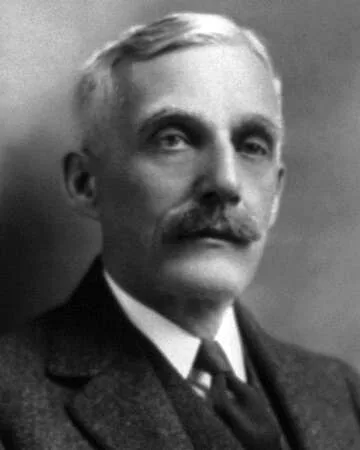
A Glimpse into Andrew Mellon’s Life
Andrew Mellon, born on March 24, 1855, in Pittsburgh, Pennsylvania, was a financial titan whose influence shaped the American banking landscape. As an influential banker and industrialist, he played a pivotal role in the financial sector and public policy during a transformative period in U.S. history. Mellon’s career is marked by his tenure as the Secretary of the Treasury from 1921 to 1932, where he implemented significant tax reforms that fostered economic growth.
Andrew Mellon’s Early Influences
Growing up in a wealthy family, Andrew Mellon was immersed in the world of finance from a young age. His father, Thomas Mellon, founded the Mellon Bank, which laid the foundation for Andrew's interest in banking and finance. By the time he entered the banking business, Mellon had accumulated a wealth of experience and deep understanding of finance and investment, which later propelled him to notable success.
The Rise of Mellon Bank
Mellon Bank flourished under Andrew’s stewardship, becoming one of the leading financial institutions in the United States. Under his leadership, the bank expanded its services and clientele, establishing a reputation for financial stability and innovation. Mellon's banking strategies emphasized sound financial practices that contributed to the prosperity of his clients and the economy as a whole.
Mellon as Secretary of the Treasury
Appointed by President Warren G. Harding, Andrew Mellon’s impact as Secretary of the Treasury began in 1921, during a time when the United States faced economic challenges following World War I. His policies were aimed at restoring financial stability and stimulating the economy through tax cuts for the wealthy businesses.
Andrew Mellon's Tax Reforms
One of Mellon's most significant contributions was his implementation of tax reforms, which included reductions in federal tax rates. He argued that lower taxes would encourage investment and economic growth. His philosophy, often associated with supply-side economics, influenced fiscal policy long after his departure from office.
Andrew Mellon’s Lasting Legacy
Andrew Mellon’s term as Secretary lasted until 1932, encompassing the roaring twenties and its subsequent crash. His legacy is complex, embodying both the prosperity of the 1920s and the economic challenges of the Great Depression. His contributions to banking and finance remain influential in shaping modern economic policies.
Fun Fact
Did You Know About Andrew Mellon?
One interesting fact about Andrew Mellon is that he was also a notable art collector and philanthropist, establishing the National Gallery of Art in Washington, D.C., which became a cornerstone of American cultural life.
Additional Resources
Recommended Reading on Andrew Mellon
For those interested in diving deeper into the life of Andrew Mellon, consider reading the book "Mellon: An American Life" by David Cannadine, which provides an in-depth analysis of his life, policies, and lasting impact on American society.






 Continue with Google