


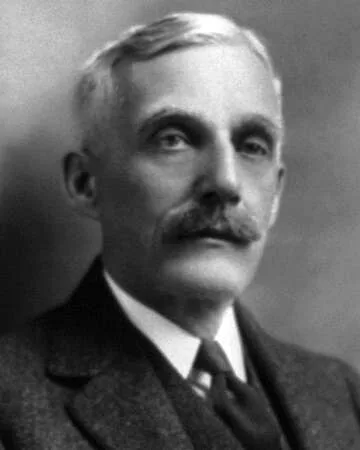
The Legacy of Andrew Mellon
On August 26, 1937, the financial world mourned the passing of Andrew Mellon, an influential figure who shaped the American economy during the early 20th century. Born in 1855 in a prominent family in Pittsburgh, Pennsylvania, Mellon went on to become one of the richest men in America, with his wealth stemming from banking and industrial ventures. As the Secretary of the Treasury from 1921 to 1932, he enacted policies that significantly impacted the nation’s fiscal direction.
Andrew Mellon’s Role as Treasurer
Mellon's tenure as Secretary of the Treasury is notable for its emphasis on reducing taxes and governmental interference in the economy. His belief in supply-side economics led to significant tax cuts that fostered rapid growth during the Roaring Twenties. However, these policies also contributed to the financial excesses that culminated in the Great Depression, casting a long shadow over his legacy.
The Culling of an Era
The 1930s marked a turning point in American finance, with Mellon's death representing the end of an era. His passing at the age of 82 sparked discussions about the future of fiscal policy in a rapidly changing economic landscape. The ideals he championed were increasingly questioned, paving the way for new approaches to economic governance.
The Impact of Andrew Mellon on American Banking
Beyond his political career, Andrew Mellon was a titan in the banking industry. His establishment of the Mellon Bank was instrumental in providing financial services that fueled industrial growth. The bank became a repository of financial power, facilitating investments that would shape infrastructure across the nation.
Andrew Mellon’s Vision for America
Mellon's vision for a prosperous America was grounded in minimal governmental regulation, which he believed would allow businesses to thrive. His influence extended beyond his life, as the principles he advocated continued to inform economic thought in subsequent decades.
The Transition After Mellon
After Andrew Mellon's death, the country witnessed a shift in financial practices and government involvement in the economy. His legacy prompted a reevaluation of tax policies and regulation as the nation grappled with the realities of the Great Depression.
Fun Fact
Andrew Mellon’s Interesting Fact
Interestingly, Andrew Mellon was also a notable art collector, amassing works which he later donated to the National Gallery of Art in Washington, D.C., enriching American cultural heritage.
Additional Resources
Recommended Reading on Andrew Mellon
For those interested in a deeper understanding of his life and impact, consider reading "Andrew Mellon: Painter of Money" and "The Mellon Family: A History of Wealth and Power" which provide insightful perspectives on his contributions to American society.








 Continue with Google