


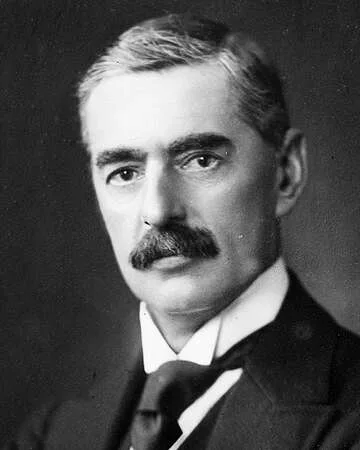
The Significance of Chamberlain's Departure from Munich
On September 30, 1938, British Prime Minister Neville Chamberlain returned to England after a significant diplomatic meeting in Munich. This meeting, which involved leaders from the United Kingdom, France, Germany, and Italy, aimed to address the escalating tensions in Europe exacerbated by Adolf Hitler's demands for the Sudetenland, a region of Czechoslovakia with a considerable ethnic German population.
Chamberlain famously claimed that he had secured "peace for our time" with the signing of the Munich Agreement. This agreement allowed Germany to annex the Sudetenland under the premise of averting war. However, the implications of this arrangement were profound. Many historians argue that this act of appeasement only encouraged further aggression from Hitler, highlighting the complexities and difficulties of diplomatic negotiations in the face of totalitarianism.
Chamberlain’s Diplomacy and Its Outcomes
Neville Chamberlain's approach to foreign policy was characterized by a strong belief in peace through negotiation. He hoped to avoid another catastrophic conflict like World War I, which had left deep scars on Europe. His meeting with Hitler and subsequent return from Munich were seen by some as a diplomatic victory. Yet, this belief in appeasement quickly unraveled as Germany continued its territorial expansions, leading to the outbreak of World War II in 1939.
Criticism of the Munich Agreement
Chamberlain faced significant backlash both during and after the agreement was reached. Critics argued that he had surrendered too much to Hitler, effectively abandoning Czechoslovakia and empowering the Nazi regime. The phrase “peace in our time” became a punchline reflecting the failure of this policy, as the world quickly descended into war.
The Impact of Chamberlain’s Departure on World History
Chamberlain's exit from Munich carried weight that would shape international relations for decades to come. The Munich Agreement is often cited as a pivotal moment where the policy of appeasement was tested and ultimately failed, leading to questions about how democratic nations should respond to aggression.
Chamberlain’s Legacy
Though initially hailed as a hero, Chamberlain's legacy became one of shame and controversy. Many regard his willingness to negotiate as a short-sighted miscalculation. Today, he represents a cautionary tale regarding appeasement policies and their potential consequences.
Consequences for Britain and Europe
The consequences of the Munich Agreement extended beyond Chamberlain’s administration. They set the stage for a more aggressive stance from Britain and its allies as they prepared for the inevitable conflict. The war that followed would redefine borders, governments, and the global balance of power, with lessons learned about confrontation and diplomacy swirling in the political discourse.
Fun Fact
Chamberlain’s Interesting Fact
Diving into history, it’s fascinating to note that Chamberlain was the first British Prime Minister to fly on an airplane for official business. His flight to Munich marked a modern approach to diplomacy.
Additional Resources
Recommended Reading on Neville Chamberlain
For those interested in exploring more about this pivotal figure, consider reading “Neville Chamberlain: Prime Minister” by David Dutton and “The Munich Pact: An Agreement to Disagree” by David Stirk. These works provide deeper insight into Chamberlain's policies and the historical context surrounding the Munich Agreement.





 Continue with Google