


Charles II's Return: A Journey to the Netherlands
In 1660, the exiled King Charles II of England embarked on a significant visit to the Netherlands, marking a pivotal moment in his life and the history of England. After being ousted during the English Civil War and living in exile for years, Charles’s journey symbolized his reclaiming of his kingdom and the restoration of the monarchy. His visit was not just a symbolic gesture; it was a carefully orchestrated effort to solidify alliances and gather support among his people and across Europe.
The Context of Charles II's Exile
Charles II was born in 1630 in St. James's Palace, London. Following the execution of his father, King Charles I, in 1649, Charles was essentially forced into exile. His time spent in the Netherlands was fraught with challenges as he navigated both political intrigue and the complex landscape of European politics. The Dutch Republic, at the time, was an influential power that played a critical role in the affairs of Europe.
The Political Implications of the Visit
This visit carried considerable weight, as it occurred amid growing tensions in England and a longing for stability. By aligning with the Dutch, Charles aimed to garner support from the Protestant nations that might be beneficial in his quest to regain the throne. The visit illustrated England's fractured political landscape and Charles's aspirations leaning toward unity and restoration.
A Royal Reception in the Netherlands
The reception Charles II received during his visit was nothing short of spectacular. His arrival was celebrated with great fanfare, reflecting the hope and eagerness among his supporters who longed for the restoration of the monarchy. The vibrant cities of the Dutch Republic showcased a rich tapestry of culture, which Charles admired throughout his travels.
Charles II and the Dutch Leadership
During his time in the Netherlands, Charles II engaged with key figures of the Dutch leadership, seeking to enhance diplomatic relations. His discussions often revolved around military support and political alliances, indicating his reliance on foreign powers to reclaim his rightful place as king.
The Cultural Exchange During the Visit
The visit also turned into a cultural exchange, with Charles taking note of advancements in trade, art, and naval strength that the Dutch had achieved. These exchanges played a crucial role in the formation of his policies upon his return to England. Charles's admiration for Dutch culture still resonates in English history as the monarchy gradually began embracing elements of Dutch influence.
Fun Fact
Charles II's Love for the Dutch Flower
An interesting tidbit from this visit is Charles II's fascination with the tulip, which was a significant symbol in Dutch society. His appreciation for this flower sparked a growing interest in horticulture in England, leading to the eventual 'tulip craze' that swept through the country.
Additional Resources
Recommended Reading on Charles II
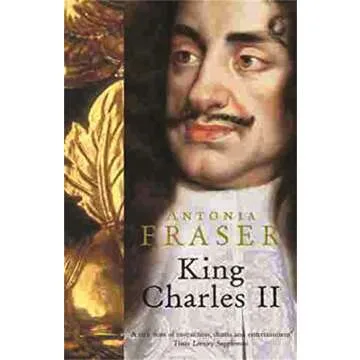
For those interested in delving deeper into the life of Charles II, consider reading "Charles II: The Man Who Smashed the British Monarchy" by David C. Hanrahan. Another fascinating read is "Restoration: Charles II and His Kingdom" by Tim Harris. Both books provide nuanced insights into this pivotal period in English history.





 Continue with Google