


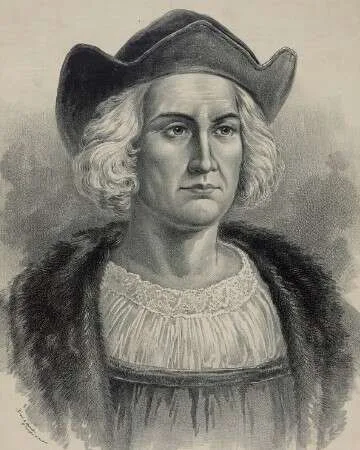
The Historical Significance of Columbus' Discovery of Corn
Columbus and the Discovery of Maize
In the year 1492, during his first voyage to the New World, Christopher Columbus encountered the indigenous populations of the Bahamas and Cuba. One of the most significant exchanges that took place was the introduction of maize, commonly known as corn. Columbus observed that this vital crop was not only a staple food for the natives but also a key aspect of their agricultural practices.
The Role of Indigenous Knowledge
The indigenous populations generously shared their agricultural knowledge with Columbus, teaching him how to plant and harvest maize effectively. This knowledge transfer marked an important moment of cultural exchange, illustrating how indigenous farming techniques influenced European settlers.
The Impact of Corn on European Agriculture
Corn's Journey to Europe
After learning how to cultivate maize from the Cuban natives, Columbus returned to Spain with seeds of the crop. Corn rapidly became popular in Europe, significantly impacting agricultural practices and diets. It provided a nutritious food source that could feed many, leading to a surge in population growth.
The Agricultural Revolution
The introduction of maize contributed substantially to the Agricultural Revolution in Europe. Farmers began to incorporate maize into their crop rotation systems, enhancing soil fertility and increasing yields. This adaptation set the stage for future agricultural advancements and European expansion.
Fun Fact
Columbus and the Many Uses of Corn
Corn is remarkably versatile; beyond being a food source, it was used by Native Americans to make flour for bread, brew beer, and create ceremonial items. It has become a fundamental crop across the globe.
Additional Resources
Recommended Reading on Columbus and Agriculture
For those interested in learning more about the significant agricultural exchanges during Columbus’ voyages, consider reading “1491: New Revelations of the Americas Before Columbus” by Charles C. Mann and “The Columbian Exchange: Biological and Cultural Consequences of 1492” by Alfred W. Crosby.










 Continue with Google