


Celebrating the Completion of Cologne Cathedral
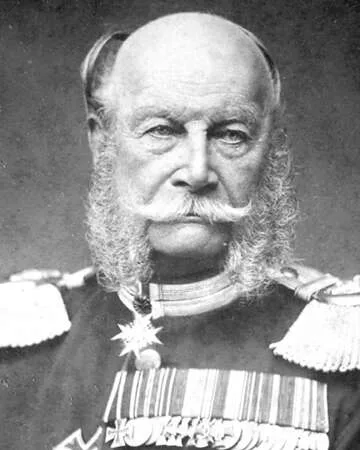
The completion of **Cologne Cathedral** on **October 15, 1880**, marked a significant milestone not only for the city of **Cologne** but also for Gothic architecture across Europe. This grand architectural feat, which began its construction in **1248**, became a symbol of faith, resilience, and dedication as it took over six centuries to complete. The grand ceremony, attended by **Emperor Wilhelm I**, celebrated the culmination of years of hard work and devotion, uniting numerous craftsmen, architects, and the local community in their efforts.
Emperor Wilhelm I and the Grand Ceremony
During the ceremony, **Emperor Wilhelm I** delivered a stirring speech, reflecting on the historical and cultural significance of the **Cologne Cathedral**. His presence underscored the importance of this accomplishment, uniting the people of Cologne and the broader German nation in celebration. As Wilhelm laid the last stone, he marked not just the end of the cathedral's construction but also the triumph of human spirit and artistry.
The Architectural Marvel of Cologne Cathedral
**Cologne Cathedral** stands as the largest **Gothic cathedral** in Northern Europe, showcasing intricate designs, soaring spires, and stunning stained-glass windows. Its architecture was influenced by various styles over the years, reflecting the evolving tastes of the times. The cathedral's iconic twin spires, each reaching a height of **157 meters**, are a testament to the ingenuity of the architects and builders who devoted their lives to this monumental structure.
The Cultural Impact of Cologne Cathedral
The successful completion of **Cologne Cathedral** solidified its place as a major landmark in Germany and a vibrant center of tourism. It not only served as a Roman Catholic church but also represented the architectural glory of the **Gothic era**, attracting visitors from around the world who come to admire its beauty and rich history.
Influence on Gothic Architecture
This **cathedral** has greatly influenced Gothic architectural projects across Europe. Its design set new standards for cathedral architecture, inspiring generations of builders and architects to incorporate grandiose elements into their structures, further enhancing the movement of Gothic architecture.
The Cathedral as a Cultural Symbol
Beyond its architectural significance, **Cologne Cathedral** has become a symbol of perseverance. Its lengthy construction spanned multiple historical events, including wars and political changes, yet it stood firm, representing hope and faith for the generations that witnessed its rise. It is often viewed as a metaphor for the enduring spirit of the people of Cologne.
Fun Fact
Over 600 Years in the Making
One fascinating fact about the **Cologne Cathedral** is that it took over **632 years** to complete! This epic timeline reflects the determination of countless artisans who dedicated their craftsmanship to creating one of the most stunning cathedrals in the world.
Additional Resources
Recommended Reading on Cologne Cathedral
For those interested in exploring more about this magnificent structure, consider reading **"Cologne Cathedral: A Guide to the Cathedral's History and Architecture"** by Barbara Becker or **"The Cologne Cathedral: The Story Behind the Building"** by Michael F. Ziegler. These works dive deep into the history, artistry, and cultural significance of this iconic landmark.













 Continue with Google