


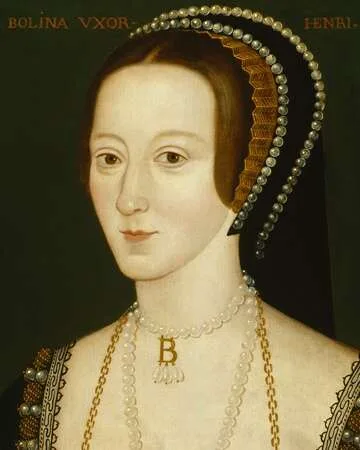
The Magnificent Coronation of Anne Boleyn
On May 1, 1533, history marked a significant moment as Anne Boleyn was crowned Queen of England. This event was not just a personal triumph for Anne but also a pivotal chapter in the tumultuous reign of King Henry VIII. Following a controversial courtship that led to the annulment of Henry’s marriage to Catherine of Aragon, Anne's coronation symbolized the culmination of a relentless pursuit for personal and political power.
Anne Boleyn’s Rise to Power
Anne Boleyn, born around 1501 in Norfolk, England, was not only a captivating woman known for her intelligence and charm but also a shrewd player in the treacherous landscape of Tudor politics. After returning from the Netherlands and France, she caught the eye of the king who was desperate for a male heir. Anne’s refusal to become Henry’s mistress, as Catherine once was, transformed her into a figure of obsession and desire.
The Shift in the Monarchy
The decision to crown Anne signaled more than just her rise; it represented Henry VIII's break from the Catholic Church and the beginning of the English Reformation. By declaring his marriage to Catherine void and marrying Anne, Henry sought not only personal fulfillment but also sought to strengthen his royal legitimacy. This event resonated deeply throughout England, igniting both support and outrage among the populace.
The Ceremony and Aftermath
The coronation ceremony was a grand affair, showcasing the opulence of the English court. Held at the Tower of London, Anne was anointed with holy oil, received the crown, and was presented with various royal regalia, reinforcing her status.
Cultural Significance of Anne’s Coronation
Anne Boleyn's coronation impacted cultural narratives in England, inspiring literature and art that reflected the period's tensions. The moment she ascended the throne, the perception of queenly power shifted, laying the groundwork for future female rulers.
The Downfall of Anne Boleyn
Despite her ambitious rise, Anne's reign as queen was short-lived; she faced the constant pressure of producing a male heir. After giving birth to Elizabeth I, her failure to secure a son, coupled with court intrigue, led to her downfall in 1536 when she was executed on charges of treason. Her tragic fate underscored the volatile nature of power during the Tudor era.
Fun Fact
Queen Anne's Unique Coronation
Unlike many queens before her, Anne’s coronation was accompanied by a mix of excitement and trepidation. It was the last time a queen was crowned with the prospect of such immediate and vast national change, primarily due to Henry VIII's relentless pursuit of a male heir.
Additional Resources
Recommended Reading on Anne Boleyn
For those interested in delving deeper into Anne Boleyn’s life and legacy, consider reading The Life and Death of Anne Boleyn by Eric Ives and Anne Boleyn: A New History by Joanne Paul. These works provide insightful perspectives on her impact on English history.











 Continue with Google